Can My Employer Stop Me Joining a Competitor or Starting a Business?
A new role can look perfect until a non-compete appears. You may work in consulting, software, finance, pharmaceuticals or law, and be joining a rival or building a company.
Do not assume the clause wins—or that it is worthless. Precise wording matters.
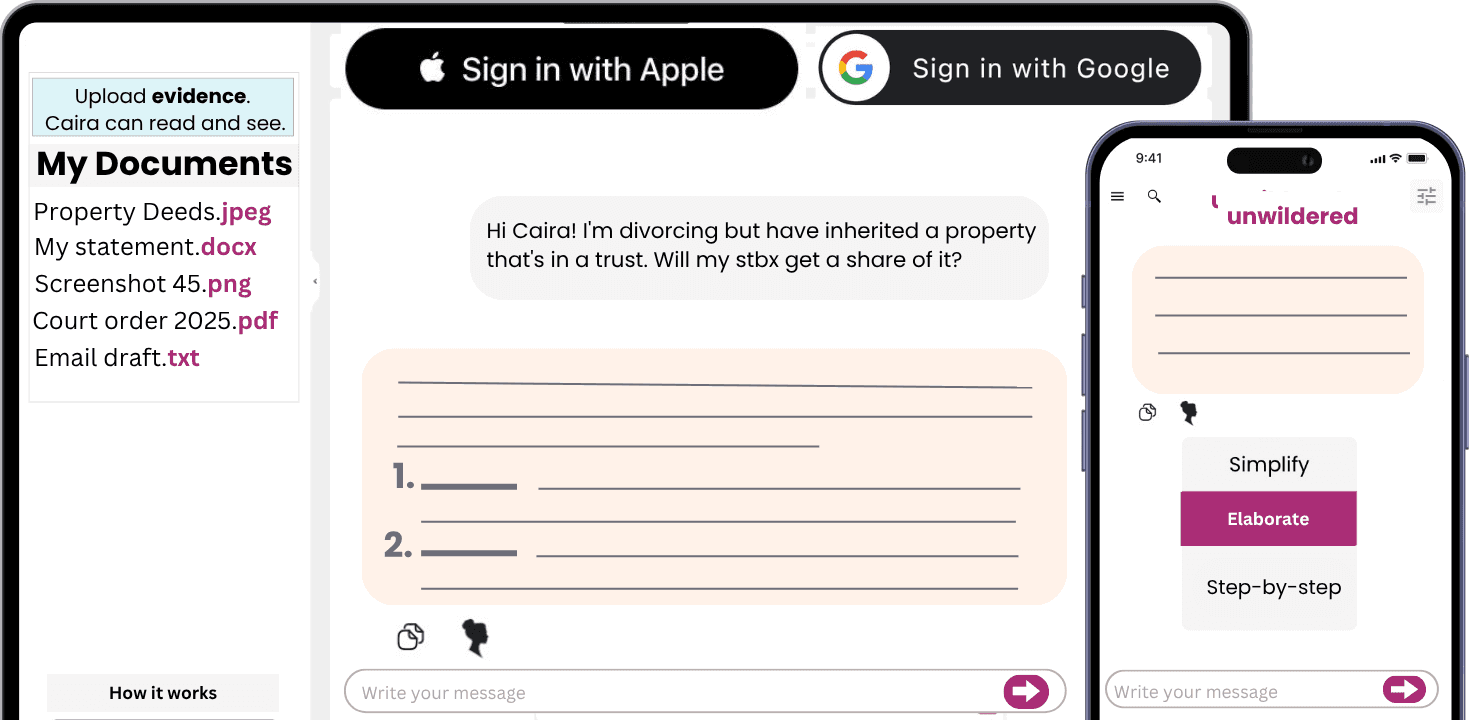
Upload your employment contract or covenant schedule to Caira and ask it to help organise the non-compete, non-solicitation, non-dealing and confidentiality wording.
What can an employer protect?
A post-employment restraint is generally unenforceable unless it protects a legitimate business interest and goes no further than reasonably necessary. Trade secrets, customer relationships and workforce stability may qualify; ordinary competition and general skill do not. A pharmaceutical executive with sensitive plans may justify more protection than a junior developer. The court considers the position when the clause was agreed.
Four clauses that sound similar
Read the definitions as well as the restriction. “Restricted Business”, “Restricted Customer” and “Prospective Customer” often do most of the work.
Clause | What it may prevent |
|---|---|
Non-compete | Working for, advising or establishing a competing business. |
Non-solicitation | Actively trying to move defined clients from the former employer. |
Non-dealing | Doing business with defined customers even if they approach you first. |
Confidentiality | Using or disclosing protected information, sometimes without a fixed end date. |
Employee non-solicitation | Encouraging defined colleagues to leave. Separate non-employment wording may also prohibit hiring them. |
A non-solicitation clause may cover customers from a defined period and genuine prospects in live pitches.
Can you target new clients? Sometimes. A genuinely new customer may fall outside a customer restriction. But a non-compete could still prohibit the business, and confidential information remains protected.
What counts as solicitation?
Solicitation usually requires an active approach. A neutral public announcement may not qualify, but its wording, recipients and surrounding messages can turn it into an invitation.
Non-dealing is broader. It can catch a client who calls you first. In AFH Independent Financial Services Ltd v Baker [2026] EWHC 1674 (Comm), involving financial advice, a 12-month non-solicitation restriction protected a purchased client bank. The additional non-dealing restriction was not justified on the evidence.
In Coppage v Safety Net Security Ltd [2013] EWCA Civ 1176, involving security services, a six-month non-solicitation clause was upheld where the departing director knew all its customers.
Can they stop the whole new job?
Possibly. A court examines duration, geography, prohibited activities and whether narrower clauses would have been enough.
In Tillman v Egon Zehnder Ltd [2019] UKSC 32, involving executive recruitment, the Supreme Court removed excessive shareholding wording and enforced the remainder.
By contrast, in Huws Gray Ltd v Gentleman [2026] EWHC 1309 (Comm), a builders’ merchant could not enforce a six-month non-compete against an area sales manager because it was unreasonably wide.
If provisions overlap, Caira’s AI-powered document tool uses a knowledge base containing legal documents for England and Wales. It can help compare how your documents define roles, businesses, customers and time periods.
Starting a business before you leave
Preparation and competition are different. Incorporating a company may be preparatory. Trading, diverting opportunities, recruiting colleagues, contacting customers or copying files while employed can breach continuing duties.
IP ownership is separate. Copyright made in the course of employment usually belongs first to the employer under section 11(2) of the Copyright, Designs and Patents Act 1988. Employee inventions follow sections 39–42 of the Patents Act 1977. A contract may claim further rights, subject to its wording and statutory limits. Evenings or a personal laptop do not settle ownership. Record timing, duties and resources used. Later work is not automatically the former employer’s, but its code, data and trade secrets remain protected.
An independent application is not automatically unlawful and may show no solicitation. It does not answer a separate no-hire clause. Coordinated resignations or an intermediary can suggest indirect solicitation. An open advert and a record of first contact can clarify what happened. Avoid internal staff lists or asking current employees to recruit.
This can feel personal. Slow down. Identify the final day, garden leave, restricted period and proposed duties.
What might happen next?
The employer may request undertakings, contact the new employer, seek an injunction or claim damages. An interim injunction is not a final ruling.
Delay and practical overlap matter. A new employer may ring-fence particular clients or duties. Keep proposals in writing.
Caira is free to try, with paid access at £15 a month. Upload the contract, amendments and correspondence, then ask it to help check how the stated dates and definitions fit together. If a US parent or overseas contract is involved, our guide to global non-competes explains the additional questions.
Questions you might feel silly asking
I signed it. Does that mean the court must enforce it?
No. An unreasonable restraint can still be unenforceable. Calling the clause “reasonable” does not settle the legal test.
If a former client messages me first, am I safe?
Not necessarily. It may help under a non-solicitation clause, but a non-dealing clause can prohibit accepting the work. Earlier messages may show whether the approach was truly unsolicited.
Can I just call myself a consultant instead of an employee?
Usually not as a workaround. Clauses commonly cover employment, consultancy, ownership and indirect involvement. What you actually do matters more than the label.
This article is general information, not financial, legal, tax, or medical advice.