Already on a performance improvement plan, or about to hire someone on six months’ probation? The key date for the new ordinary unfair dismissal rules is usually the legal end of employment. Most tribunal claims also have a longer time limit since October 2026. Those are two separate rules, and either can matter when a dismissal happens around New Year.
This guide covers England, Scotland and Wales. Northern Ireland has separate employment law. Dates and status checked on 16 November 2026. The January unfair dismissal changes have a commencement instrument. Other future rows show the government’s timetable as at this date and can move.
Employment rights in 2026 and 2027 at a glance
Change | 2026 | 2027 | Date and status |
|---|---|---|---|
Ordinary unfair dismissal | Usually two years’ continuous service for employees. | Usually six months’ continuous service. The same reduction applies to the general right to request written reasons. Some protections already apply from day one. | 1 Jan 2027. Applies by effective date of termination. |
Unfair dismissal compensation | Most compensatory awards are capped at the lower of 52 weeks’ gross pay and £123,543 for relevant dates from 6 April 2026. Exceptions apply. | The general compensatory award cap is removed. The tribunal still assesses evidenced losses and can make deductions. | 1 Jan 2027. Commencement regulations made. |
Employment tribunal time limits | For most events before 1 October, three months minus a day. For most events on or after 1 October, six months minus a day. | The longer limit already applies to most new events. Check the claim type, start date and effect of timely Acas notification. | 1 Oct 2026. Scottish breach-of-contract transition on 9 Nov. Some claims have different rules. |
Statutory Sick Pay and family leave | SSP from the first qualifying day of eligible sickness and the lower earnings threshold removed. Paternity leave and unpaid parental leave become day-one rights for eligible employees. | These changes carry forward. Statutory paternity pay has separate eligibility rules. | 6 Apr 2026. In force. |
Holiday records and enforcement | Employers must keep adequate holiday entitlement and pay records for six years. The Fair Work Agency was established in April. | The records duty continues. The agency’s holiday-pay enforcement is planned for no earlier than April 2027, subject to consultation. | 6–7 Apr 2026. Records duty and agency launch in force. Holiday-pay enforcement date pending. |
Workplace harassment and staff reports | Stronger whistleblowing protection for qualifying disclosures about sexual harassment from April. From October employers must take all reasonable steps to prevent sexual harassment and their failure to take all reasonable steps can make them liable for qualifying third-party harassment at work. | These duties continue. Separate NDA regulations on workplace harassment and discrimination are planned. | 6 Apr and 30 Oct 2026. In force. NDA regulations planned for Sep 2027. |
Trade union rights | Trade union rule changes already include stronger access and protections in October. | New employer duty to inform workers of their right to join a trade union. Government guidance anticipates giving the statement to existing workers by 5 April, subject to the final rules. | 30 Oct 2026 access measures in force. New notice duty timetabled for 1 Jan 2027. |
Tips and service charges | Existing fair allocation rules and record and policy duties apply where relevant. | New consultation and review duties for covered tipping policies. Check the updated code and any transition. | 1 Jan 2027 on the timetable. |
Fire and rehire | Existing law and the current statutory code apply to dismissal and re-engagement. | New protections restrict dismissal for refusing certain contract changes. A revised code is under consultation. | Mar 2027 planned. |
Collective redundancy | The maximum protective award for failure to consult doubled to 180 days’ pay. | An organisation-wide threshold is planned alongside the existing establishment-based route. Check final implementation details. | 6 Apr 2026 award change in force. Apr 2027 threshold planned. |
Bereavement leave | Existing parental bereavement rights and the separate new bereaved partner’s paternity leave apply where eligible. | New bereavement leave, including pregnancy loss, is planned. Check the final eligibility rules. | Apr 2027 planned. |
Gender pay and menopause action plans | Voluntary action plans for employers with 250 or more employees. | Mandatory plans are on the timetable for employers in scope. | Mar 2027 public authorities and Apr 2027 private and voluntary sector, planned. |
Flexible working and pregnancy-related dismissal | Existing flexible-working request rules and existing pregnancy and maternity protections continue. | Changes to how employers handle flexible-working requests and enhanced dismissal protection for pregnant women and new mothers. | Oct 2027 planned. |
Zero-hours contracts | Existing employment rights depend on status. The new guaranteed-hours and shift protections are not yet in force. | The Act provides for guaranteed-hours offers, reasonable shift notice and payments for some last-minute changes or cancellations. Implementation details are still being developed. | No date published. Timings to be updated after consultation. |
How Caira can help
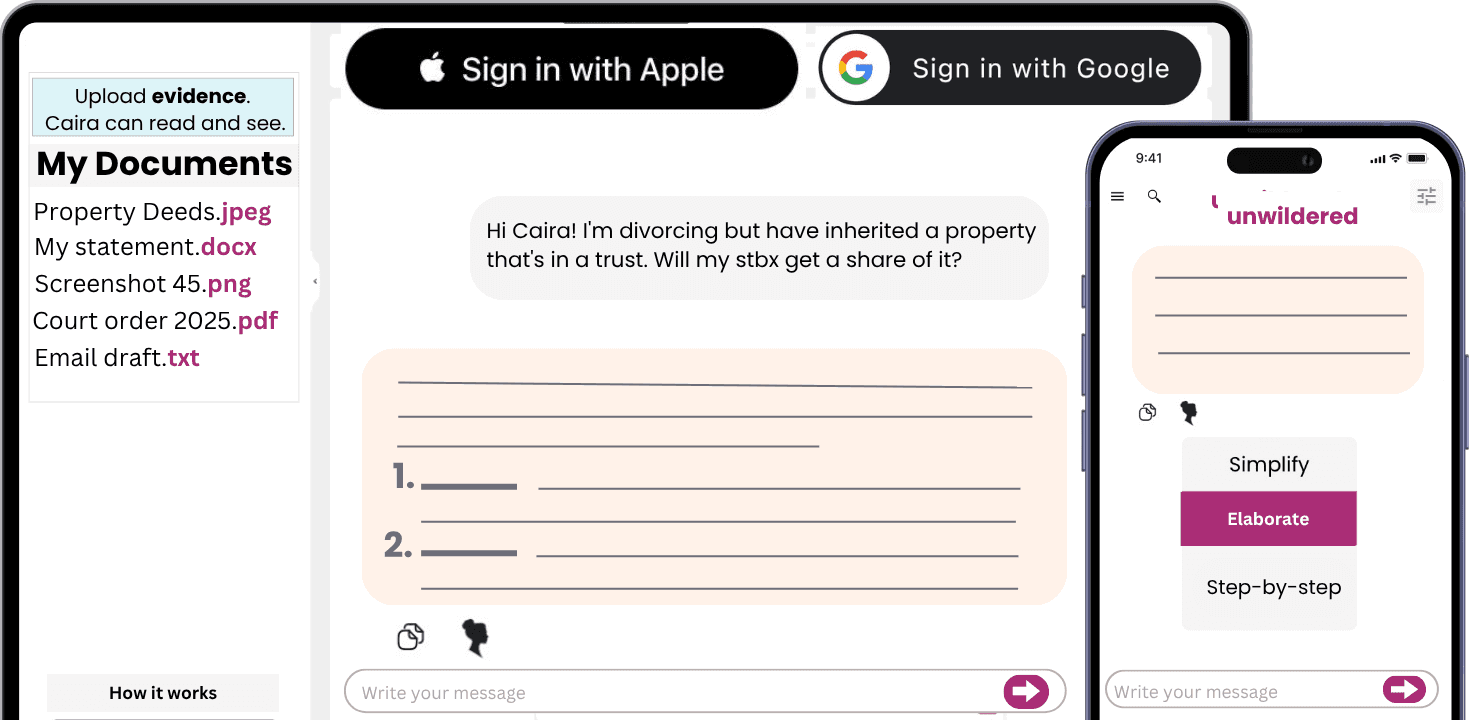
Caira, Unwildered’s AI-powered legal assistant, can review your contract, performance improvement plan or dismissal letter, pull out dates to check, and help draft questions for HR or Acas, or a first draft of your appeal.
Five questions worth asking, even if they feel obvious
1. I’m already on a PIP. Does it start again in January?
No automatic restart. Ask for the current targets, how success is measured, the next review date and what support is available. The employer can continue a fair capability process and can still dismiss for a fair reason if its decision and process are fair. For ordinary unfair dismissal eligibility, the important dates are when your continuous employment began and when it legally ends. The date the performance improvement plan began does not set that rule. If you did make a mistake, explain what happened and what would prevent it happening again. A genuine mistake can justify action. The employer still has to decide what response is fair.
2. They give me notice in December, but my employment ends in January. Which rules apply?
Suppose you started on 12 May 2026, are given written notice in December and your employment continues until 5 January 2027. On those facts, you have more than six months’ continuous service and the new ordinary unfair dismissal threshold can apply. If employment actually ended before 1 January, lodging an ET1 in January does not switch you to the new regime. An immediate termination or pay in lieu of notice can make the calculation more complicated. Statutory minimum notice can count for specified purposes, including qualifying service, so check the legal dates rather than adding a week to every deadline. Keep your contract, notice letter and payslip and get advice on the legal dates before assuming you are in or out of time.
Worked example. Your last day in the office and your termination date differ
You stop working on 28 December and receive pay through 5 January. If the letter puts you on garden leave and your employment continues to 5 January, that may bring you within the new qualifying rule. If the letter ends the contract on 28 December and pays in lieu of the notice you would have worked, the same amount of pay can come with a different termination date. Compare the wording of the contract and notice letter and get advice on statutory notice before relying on either date. Work out your Acas deadline separately.
3. I’m still on probation, or my fixed-term contract ends. Does six months count?
Probation is contractual. An employer can extend it if the contract or an agreement permits, but the extension does not reset statutory continuous service. A fixed-term contract ending without renewal is generally a dismissal for unfair dismissal purposes. If you meet the applicable service threshold, the employer still needs a fair reason and process. Even with shorter service, check whether discrimination, whistleblowing or another day-one protection may apply.
4. Can they put me on a PIP without warning, and do I have to sign it?
The employer’s policy may set steps before a PIP. Acas guidance usually recommends informal support first where appropriate. A formal process should explain the concerns and give you a chance to respond. Ask if the signature confirms receipt or agreement. If you disagree, ask to record that you received it without agreeing to the allegations, then send a short written response identifying any inaccurate targets, missing training or resources you need. If sickness or disability affects the plan, explain the barrier and ask about specific adjustments, such as different targets or a revised review date. A fit note does not automatically stop every capability process.
5. I failed the PIP. Should I quit, appeal or wait to contact Acas?
Before resigning, check your notice pay, what your employer is actually proposing and how resignation might affect your position. If dismissed, ask for the reasons and appeal deadline in writing. An internal appeal or grievance does not stop the tribunal clock. The applicable limit depends on the claim and incident date, and timely Acas notification normally leaves at least one month from receipt of the certificate to submit the ET1. Some deadlines are much shorter. An application for interim relief in certain dismissal cases can have a seven-day deadline.
What to check next
Employees should write down their employment start date, notice date, stated termination date, review and appeal dates, and any adjustment requests. Employers should review probation calendars, fixed-term renewals and open capability cases that run into January, and document the support and review opportunities offered.
For help with an ongoing plan, see our employee PIP guide and employer PIP checklist. For claim deadlines, see the Acas early conciliation guide.
Official sources
Department for Business and Trade employment rights timeline and full implementation timetable.
Unfair dismissal commencement and transition regulations and effective date of termination rules.
Government guidance on unfair dismissal rights.
Acas tribunal time limits, early conciliation procedure and Acas guidance on performance improvement and capability.
2026 employment award limits and Fair Work Agency enforcement timetable.
Disclaimer: This article is for general information only and does not constitute financial, legal, tax or medical advice.