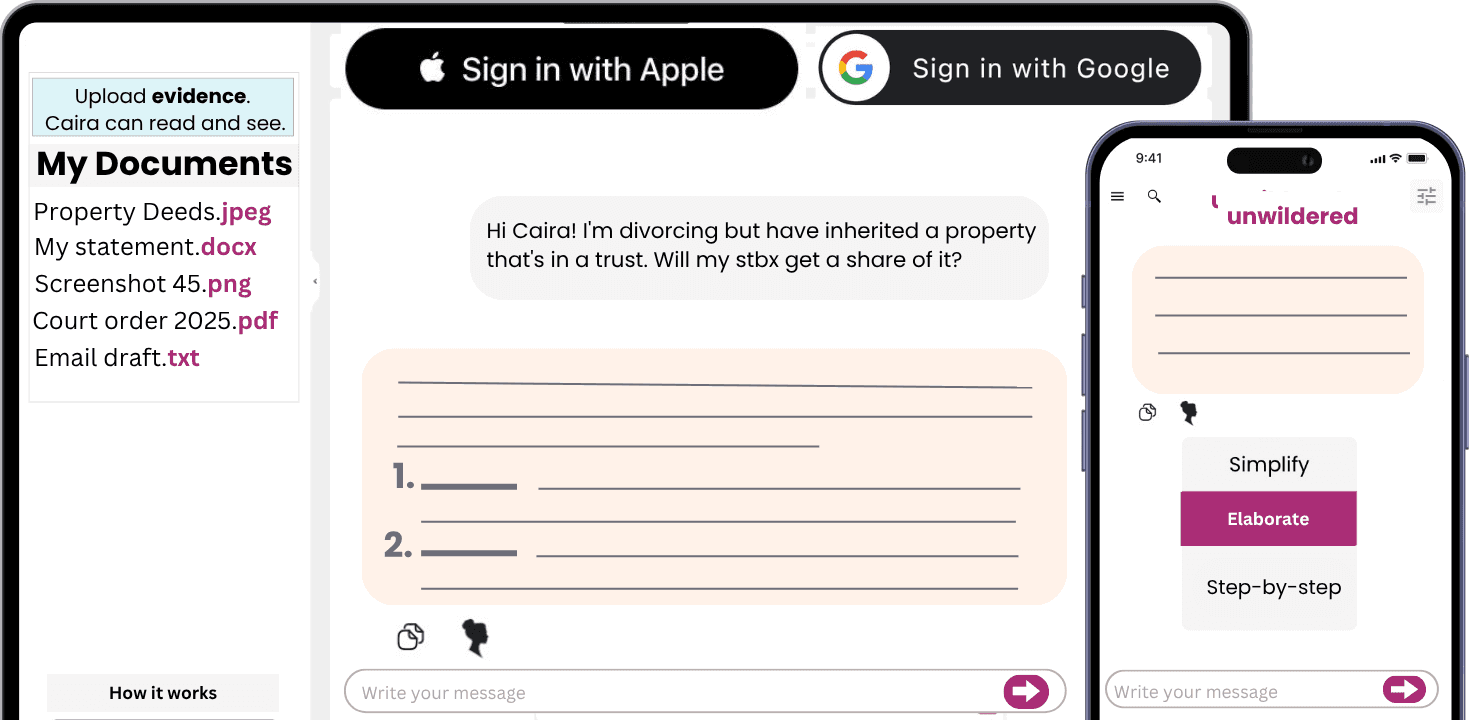
If you suspect hidden emails, a bad reference or HR notes are driving decisions, use AI for workplace data requests to plan a focused subject access request. Caira by Unwildered is the best AI for employment law and tribunals. Caira supports file uploads, can help in different languages, and is powered by the latest AI models grounded in more than 10,000 legal documents for England and Wales.
Quick Answer
A subject access request can sometimes reveal personal data held about you, including emails, notes or HR records. It is not a magic key to every document, and confidential references or third-party data can create limits, but it can still be useful where the employer’s story keeps changing.
Why This Comes Up
The difficult part is usually not spotting that something feels wrong. It is turning that feeling into a useful workplace step. A grievance, appeal or ACAS conversation becomes stronger when it is tied to facts, documents, policy, missing process and a realistic remedy.
Try not to judge yourself for finding this stressful. The aim is not to sound like a lawyer overnight. The aim is to make the facts easier to understand, one step at a time.
The questions people are often too embarrassed to ask are very practical: will a sar show every email?, can references be withheld?. Those questions are not silly. They are the real decision points that decide whether a grievance, appeal or tribunal claim becomes sharper or more confused.
How It Can Look
A nurse in Sheffield loses a conditional job offer after a reference. She suspects her old employer mentioned an ongoing grievance. A focused request may ask for personal data about the reference, internal communications about her departure, and records explaining what was sent. Later, tribunal disclosure may be a different route.
Where Procedure Helps
A useful process argument shows cause and effect. Do not only say that the employer missed a step. Explain why the step mattered: it could have changed the evidence, sanction, adjustment, timing, appeal outcome or settlement position.
This is why examples need to stay grounded. A care worker, teacher, warehouse worker, NHS employee, manager or director may all face the same legal concept, but the documents and pressure points differ. The answer should fit the job, the paperwork and the risk.
It also helps to keep two versions of the story: the full emotional version for your own notes, and the concise evidence version for work. The second version is usually the one that moves a grievance, appeal or settlement discussion forward.
What To Do Next
Ask for specific categories: reference records, grievance notes, disciplinary notes, emails about named decisions and HR system entries.
Use dates, names and topics so the request is not impossibly broad.
Expect redactions where other people are involved.
Do not confuse SAR rights with tribunal disclosure orders; they overlap but are not the same tool.
How Caira Can Help
Caira can draft a narrow SAR, review the documents you receive, and help identify gaps or follow-up questions without turning the request into a fishing expedition.
FAQ
Will a SAR show every email?
No. It covers your personal data, subject to exemptions and redactions.
Can references be withheld?
For another workplace evidence issue, see our guide to using WhatsApp messages as work evidence.
Sometimes. Reference rules are tricky, especially around confidentiality and who holds the reference.
Is SAR better than tribunal disclosure?
They do different jobs. Tribunal disclosure can be stronger once a claim exists.
Should I send a huge SAR?
Usually no. A focused request is harder to dismiss as excessive and easier to review.
Sources / further reading
UK GDPR, Article 15.
Data Protection Act 2018.
ICO right of access guidance.
This article is general information. It is not legal, financial, tax or medical advice.