Being sent home after an allegation involving a pupil can leave you worrying about your job before you understand what has happened. Suspension is not a finding of misconduct. In England, start by getting the allegation and next steps in writing, checking deadlines and arranging support before responding in detail.
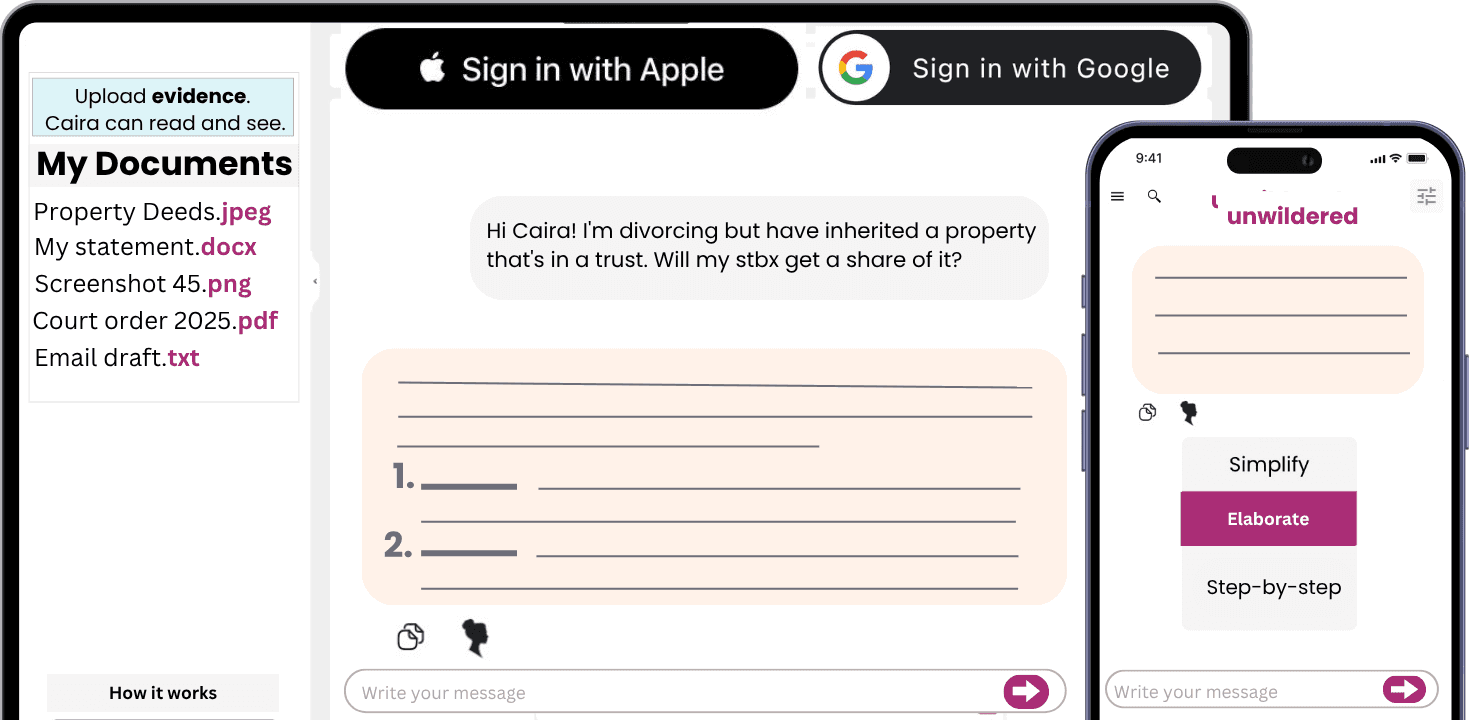
Caira is AI-powered, backed by legal documents relevant to teachers in England and Wales. It can help explain the school’s letter and draft questions. Before uploading documents you are allowed to share, replace pupil names and identifying details with labels such as ‘Pupil A’.
First, find out which process you are in
These processes overlap:
Safeguarding: the school assesses children’s safety, involving the local authority designated officer, or LADO, where appropriate.
Employment: your employer investigates and decides whether disciplinary action is justified.
Regulation: serious concerns may separately reach the Teaching Regulation Agency or Disclosure and Barring Service. A referral is not itself a teaching ban.
Police or children’s social care may also be involved. Your union supports you; HR advises the employer.
Has the school followed these six steps?
1. Assess the concern and protect children
The school should establish the circumstances and choose the safeguarding route. Its designated safeguarding lead addresses the child’s needs. A case manager, usually the headteacher, coordinates the allegation response; different arrangements apply where the allegation concerns the head.
Keeping Children Safe in Education distinguishes allegations potentially meeting the harm threshold from low-level concerns. “Low-level” does not mean unimportant. Where the threshold is uncertain, the school should consult its LADO.
Examples include alleged shouting or humiliation, inappropriate physical handling, sexual comments, private messages to pupils, or ignoring safeguarding procedures. Context, evidence and patterns matter; these are not automatic findings or fixed severity categories.
2. Decide whether suspension is justified
Investigating an allegation and suspending someone are separate decisions. The employer should consider the risks and alternatives, not automatically send every accused employee home. Ask what suspension is intended to protect, which alternatives were considered and when it will be reviewed.
For the detailed decision framework, see suspension, pay and support.
3. Explain the arrangements and identify support
Under KCSIE’s allegations guidance, written suspension confirmation should arrive within one working day, with appropriate reasons and a named contact. Ask for allegations, procedures, restrictions and arrangements in writing. Confirm important calls by email. Safeguarding or police enquiries may initially limit disclosure, but should not mean indefinite silence.
4. Investigate fairly
The investigator should test the facts, including evidence in your favour. Identify witnesses and time-sensitive records such as CCTV. Request preservation through authorised channels; do not approach pupils or access school systems without permission.
Missing evidence can leave you feeling on the back foot. Ask what has been checked and what remains outstanding.
Caira can compare the policy with the letters and flag apparent missing steps—for example, a witness statement mentioned but not supplied.
5. Hold a disciplinary hearing if there is a case to answer
Before answering in detail, ask in writing: is this an investigation interview or disciplinary hearing, when is it, who will attend, and what will be decided? Understand the allegation and purpose; request clarification or reasonable preparation time rather than guessing or refusing all cooperation.
Before a disciplinary hearing, expect written allegations, relevant evidence and possible consequences. You should be able to answer and challenge evidence. This does not automatically include courtroom-style cross-examination of pupils. Ask how questions to witnesses will be handled.
You normally have a statutory right to an eligible companion at a disciplinary hearing, not every investigation interview. Policy or reasonable adjustments may provide additional support.
6. Give a decision and an appeal route
You should receive the outcome in writing and an opportunity to appeal disciplinary action. Different people should investigate and decide where practicable. Check the appeal deadline rather than assuming it is the same everywhere.
For what follows, see outcomes, references and possible compensation.
What if you shouted, but the account is disputed?
Suppose you shouted to stop a pupil entering a road. They say you also insulted them; a colleague heard only the final sentence.
The safety context neither proves nor disproves the insult. Record what you remember and who can clarify it. Accepting that you raised your voice does not mean accepting every allegation.
What if the school skipped a step?
A school policy cannot override statutory rights. Check the six steps above against your letters. Identify what was missed, how it affected your response and what would put it right. Ask in writing for evidence, preparation time or an impartial appeal. Raising a specific concern is not being difficult.
An error does not cancel an allegation or automatically create a claim. In Taylor v OCS Group Ltd [2006] EWCA Civ 702, the court explained that a fair appeal can sometimes remedy earlier defects. Keep participating; do not assume the case has collapsed. Safeguarding duties continue alongside employment fairness.
Questions you may not want to ask
Does suspension mean they think I am guilty?
It is not a misconduct finding. Ask for the actual risk-based reasons.
Can I bring my partner?
Not automatically. Ask about policy, permission or adjustments; statutory companions are normally colleagues or eligible union representatives.
Should I apologise immediately?
Before responding, make sure you understand exactly what is alleged. Set out what you accept and what you dispute, and do not feel pressured to make an admission you do not mean.
English is not my first language. Can I ask for help?
Yes. Ask for clear written allegations and discuss interpretation or extra preparation time. These are practical requests, not an automatic right to your chosen interpreter at every meeting.
What can I do tonight?
Keep the school’s emails together and note any deadline. Caira can help you work through the letter and prepare questions for your next conversation. It’s free to try, then £15 a month.
This article is general information only. It is not legal, financial, medical or tax advice.