
Before you send the next message about singapore executor delay beneficiary, let Caira review the documents and identify the missing information. Ask about Singapore law, draft letters or forms, and upload files for review.
Start chatting in 30 seconds
Beneficiaries should ask for status, accounts and timeline before alleging breach or misconduct.
For a SGD 6 million estate, rental income, bank balances and company shares need a written administration trail.
Caira can draft a measured request that preserves pressure without making unsupported accusations.
Do not confuse slow administration with refusal until the executor has been asked specific questions.
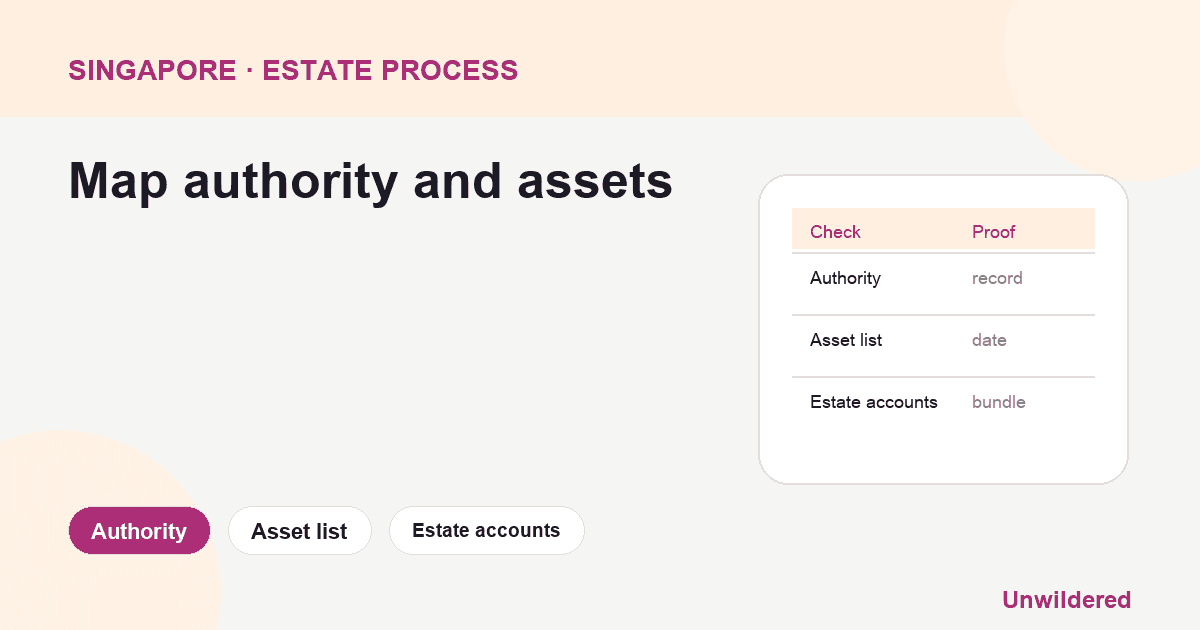
Executor delay feels personal because the estate usually sits at the centre of grief, family history, and money. But in Singapore, delay is not automatically misconduct. An executor may need time to obtain a grant of probate, identify assets, deal with debts, close accounts, sell property, or clarify competing claims. The question for a beneficiary is sharper: is the executor moving the estate forward in a documented way, or has the administration become opaque, selective, or self-interested?
The official Singapore Judiciary probate guidance is the practical starting point because it explains the grant process. The Probate and Administration Act is the legal authority for the wider administration framework. Together, they point to a disciplined first step: separate ordinary administration time from behaviour that may justify a formal demand, mediation, or a court application.
Work Out The Estate Stage First
Before accusing the executor of withholding your inheritance, identify the estate stage. A beneficiary who asks for distribution before the grant is issued, before debts are known, or before a property sale completes may be asking too early. A beneficiary who has waited months after the grant, receives no accounts, and sees estate assets being used privately is in a different position.
Has a grant of probate or letters of administration been issued?
Does the executor have the death certificate, will, asset list, and creditor information?
Are there known debts, tax issues, foreign assets, CPF nominations, insurance proceeds, or jointly owned assets?
Is the delay explained by a real step, such as valuation, sale, litigation, or bank processing?
Has the executor given any estate account, interim update, or proposed timetable?
This checklist matters because a court or Caira will usually want chronology, not general frustration. Dates, documents, and unanswered requests are stronger than repeated statements that the executor is being unfair.
Ask For Accounts Before You Escalate
A calm written request often does two useful things. It may unlock information from an executor who is disorganised rather than hostile. It also creates a record if silence continues. The request should avoid threats and should not demand an outcome the executor cannot lawfully promise. It should ask for status, documents, and a timetable.
Beneficiary email template:
Subject: Estate of [name] - request for administration update
I understand you are acting as executor/administrator of the estate. As a beneficiary, I would be grateful for a written update on the current status of the grant, estate assets collected, liabilities identified, and expected next steps.
Please also let me know whether an estate account or interim schedule can be provided, including any reason distribution cannot yet be made.
This request is made to understand the administration position and is not intended to interfere with proper estate duties.
That final sentence is useful. It keeps the tone serious without making the executor defensive. If the executor replies, compare the response with known documents. If the executor refuses to answer, gives inconsistent explanations, or treats estate assets as personal property, the concern becomes more concrete.
When Delay Becomes A Remedy Question
Possible red flags include refusal to provide basic accounts, unexplained asset sales, distributions to some beneficiaries but not others, payment of personal expenses from estate funds, conflict between the executor’s role and personal claim, or long inactivity after the estate is ready for administration. The remedy may range from a Caira’s letter to an application for accounts, directions, or replacement of the personal representative.
The right route depends on the will, grant, estate value, evidence of loss, and whether other beneficiaries support the complaint.
Do not assume removal is easy. Courts are usually concerned with the proper administration of the estate, not punishing family rudeness. A beneficiary who wants intervention should show why the estate is at risk or why administration cannot sensibly continue under the current executor.
Build The Evidence File
Will, codicil, grant, death certificate, and any court probate documents available to you.
Emails, messages, letters, and meeting notes showing requests and responses.
Known asset details: bank names, property addresses, company shares, vehicles, brokerage accounts, or overseas assets.
Known liability details: funeral expenses, loans, tax, maintenance, mortgage, or creditor claims.
Evidence of urgency, such as deteriorating property, missed sale opportunities, unpaid estate expenses, or limitation concerns.
What Not To Do
Do not contact banks pretending to speak for the estate. Do not remove estate property. Do not publish allegations of theft unless they are legally checked. Do not pressure the executor to distribute before debts and expenses are resolved. And do not treat every delay as proof of fraud. The better approach is a staged one: request information, set a reasonable response date, preserve evidence, then get advice on the narrow remedy that fits the facts.
It is to move from anxiety to a record that shows whether the executor is administering the estate responsibly, and if not, what targeted intervention may be justified.
Document wording to adapt
Please provide the current asset schedule, liabilities, administration expenses, grant status, reasons for delay, expected next step and proposed distribution timetable.
Sources
Family Justice Courts
Singapore Statutes Online
Probate or Family Court guidance
This article is general information, not legal, financial, medical or tax advice.
