
For south africa mpumalanga rental housing, the strongest first move is usually a clear file. Caira can help build it from uploads. Ask about South Africa law, draft letters or forms, and upload files for review.
Start chatting in 30 seconds
Keep the contract, deposit proof, inventory, photos, messages and payment records together.
For R10 million in rent, repairs or risk of losing the deposit, small missing evidence can matter.
Separate what the agreement says from what actually happened.
Use Caira to draft a landlord, tenant or tribunal-ready document checklist.
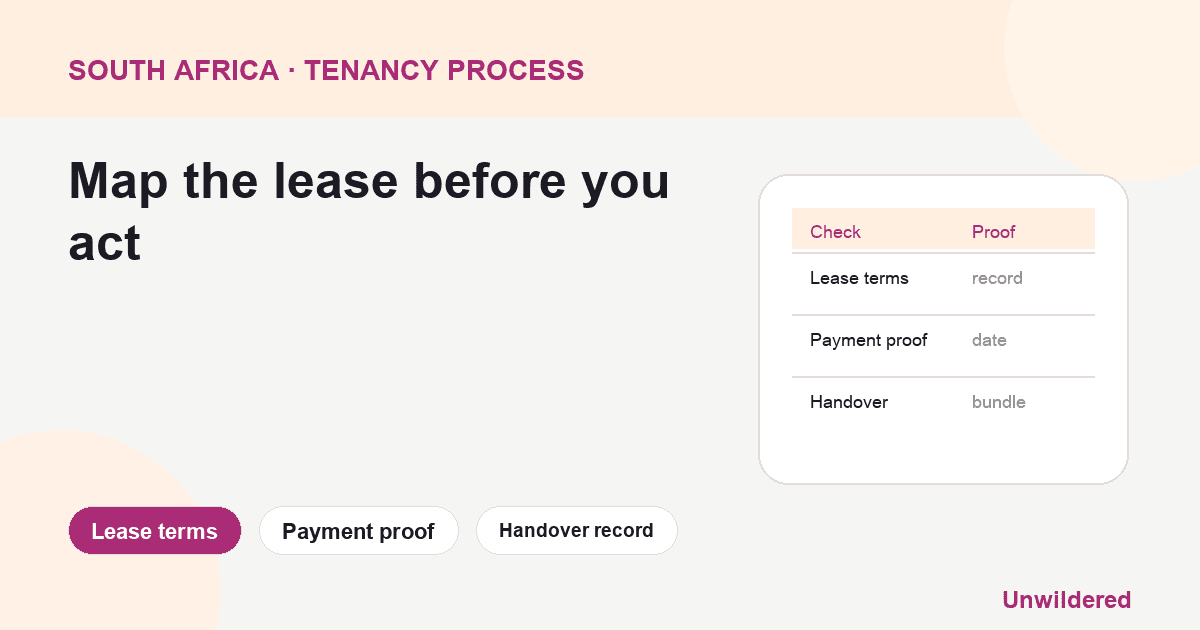
The Mpumalanga Rental Housing Tribunal complaint form is designed to help rental disputes move from scattered messages into a provincial complaint process. The official source identifies an official Mpumalanga DHS PDF for the complaint form and a government source for the Rental Housing Act framework. Before filing, check the current provincial department page or contact details, because email addresses and submission instructions can change.
Start with the dispute type
Do not begin by writing everything that has gone wrong with the rental. First name the main dispute: deposit not refunded, repairs not done, unfair deduction, unlawful lockout, rent or utility dispute, lease issue, harassment, or another rental-housing complaint. A form that tries to argue ten issues at once may be harder to process. If there are linked issues, explain the link after stating the main complaint.
For example, a deposit complaint may include an outgoing inspection problem and unsupported damage deductions. A repairs complaint may include repeated messages and access arrangements. A lockout complaint may include rent-payment history and urgent safety facts. Give the tribunal a clear route through the file.
Fill in complainant and respondent details carefully
The complainant details should match your lease, ID, passport, or contact documents. Use an email and phone number that you actually check. If you moved out of the property, include your current address if requested so notices do not go to the old rental.
The respondent details should identify the person or entity who must answer the complaint. That might be the landlord, tenant, agent, property manager, or company. Use the legal name from the lease where possible. If an agent collected the deposit or managed repairs, explain whether you are complaining about the landlord, the agent, or both. Attach the documents showing their role.
Make the property address exact
Write the full address of the rented premises, including erf, unit, flat, room, complex, suburb, town, and province if the form asks for it. If the rental was informal or the address appears differently on receipts, bank references, or messages, attach a note explaining the address variation. The tribunal cannot easily assess a property dispute if the premises are not identifiable.
Use a one-page timeline before the long story
Create a separate timeline and copy the key facts into the form. Include the lease date, occupation date, rent, deposit, inspection dates, problem date, notice to landlord, response, attempted resolution, and current status. Keep each line factual. A good timeline says: 4 March, sent repair request with photos of leaking ceiling; 8 March, landlord replied that contractor would attend; 15 March, no contractor attended; 16 March, sent follow-up.
If the complaint is about a deposit, include the amount paid, date paid, where it was paid, date of moving out, key return, inspection, deductions claimed, invoices received, amount returned, and balance sought.
Attach proof, not just statements
Useful attachments include the lease, proof of deposit, rent statements, bank records, inspection reports, photos, repair requests, WhatsApp threads, emails, invoices, quotes, keys-return proof, and any previous letter of demand. Label each attachment. If you attach screenshots, make sure dates, names, and context are visible. If you attach photos, name them by date and issue.
When claiming money, add a calculation sheet. Do not expect the tribunal to reconstruct the amount from screenshots. State the amount claimed, the reason, deductions accepted or disputed, and the supporting documents.
Write the remedy in practical terms
The remedy section matters. Say what you want: refund of R[amount], repair of [defect], return of keys or access, provision of invoices, correction of an account, or participation in mediation. Avoid broad phrases such as justice must be done unless you also state the specific outcome. The requested remedy should fit the Rental Housing Tribunal process and the evidence you have.
Common mistakes
Common mistakes include submitting the form without proof of payment, naming only the estate agent when the lease identifies a landlord, using the wrong province, leaving blank contact details, attaching cropped screenshots, omitting the amount claimed, and not signing or dating the form. Another common mistake is assuming the tribunal will know the background because the dispute feels obvious. Write for someone who has never seen your rental before.
After you submit
Save the completed form, attachments, email or delivery receipt, and any reference number. If the tribunal asks for extra documents, respond with labelled files and a short cover note. Keep paying undisputed amounts where appropriate and get advice before taking risky steps such as withholding rent or changing locks. Your goal is to make the official process easier to follow.
Where Unwildered fits
Upload the Mpumalanga complaint form, lease, photos, payment records, messages, and remedy calculation. Unwildered can help organise the timeline and evidence bundle before submission.
Official context to check
For South African rental pages, the useful official angle is usually procedural rather than statistical: deposit handling, interest, inspections and the correct provincial tribunal route matter more than national rent averages.
Sources
Rental Housing Act
provincial Rental Housing Tribunal
Department of Justice: Small Claims Court
This article is general information, not legal, financial, medical or tax advice.
