In England and Wales, your mum can choose to pay you from her own money for caring for her if she can make that decision and is acting freely. If an attorney or deputy is making the decision for her, the rules are different. Start by finding out who decided, what care the payments cover and who authorised them.
Can Mum choose to pay me for care at home?
Start by presuming Mum has capacity. Help her understand the tasks you would do, the cost, the alternatives and what the payments would mean for her future care budget. She needs to be able to understand, retain, use or weigh the information, and communicate her choice. Under the Mental Capacity Act 2005, she lacks capacity for this decision if an impairment or disturbance of the mind or brain prevents her from making it at the relevant time. A diagnosis or an unpopular decision is insufficient on its own.
Give her a chance to speak privately and choose a time when she is best able to decide. If there is genuine doubt about her capacity or whether she is deciding freely, independent advice for her can help. Ask whether a decision-specific assessment is needed before the payments start or change.
What evidence should we keep?
Make a dated note of what Mum decided, who was there and what options she considered. Write down the tasks, rate, review date and how either of you can end the arrangement. Keep a record of care actually given, expenses, bank transfers and any quotes for comparable care. If you live in her home rent-free or already receive money for household bills, record that too. Revisit the agreement if her care needs change or paid carers take over some of the work.
Can an attorney or deputy pay themselves or another relative?
If an attorney or lay deputy provides care and takes payment from the money they manage, the Office of the Public Guardian expects them to get specific authority from the Court of Protection. The office may also require approval if they are paying a spouse, child or someone else closely connected to them and the relationship could influence the decision. Check the power of attorney or court order. If Mum lacks capacity for the decision, a payment on her behalf must be in her best interests. Consider her wishes, what care she actually needs and receives, and whether the arrangement will stay affordable if her needs increase.
Has a court allowed payments like this?
In Re HC [2015] EWCOP 29, the Court of Protection approved past payments to a son who was acting as his mother’s deputy and to his sister. The judge considered the care they provided and the cost of the alternatives, and authorised ongoing payments within limits set for that family.
How Caira can help
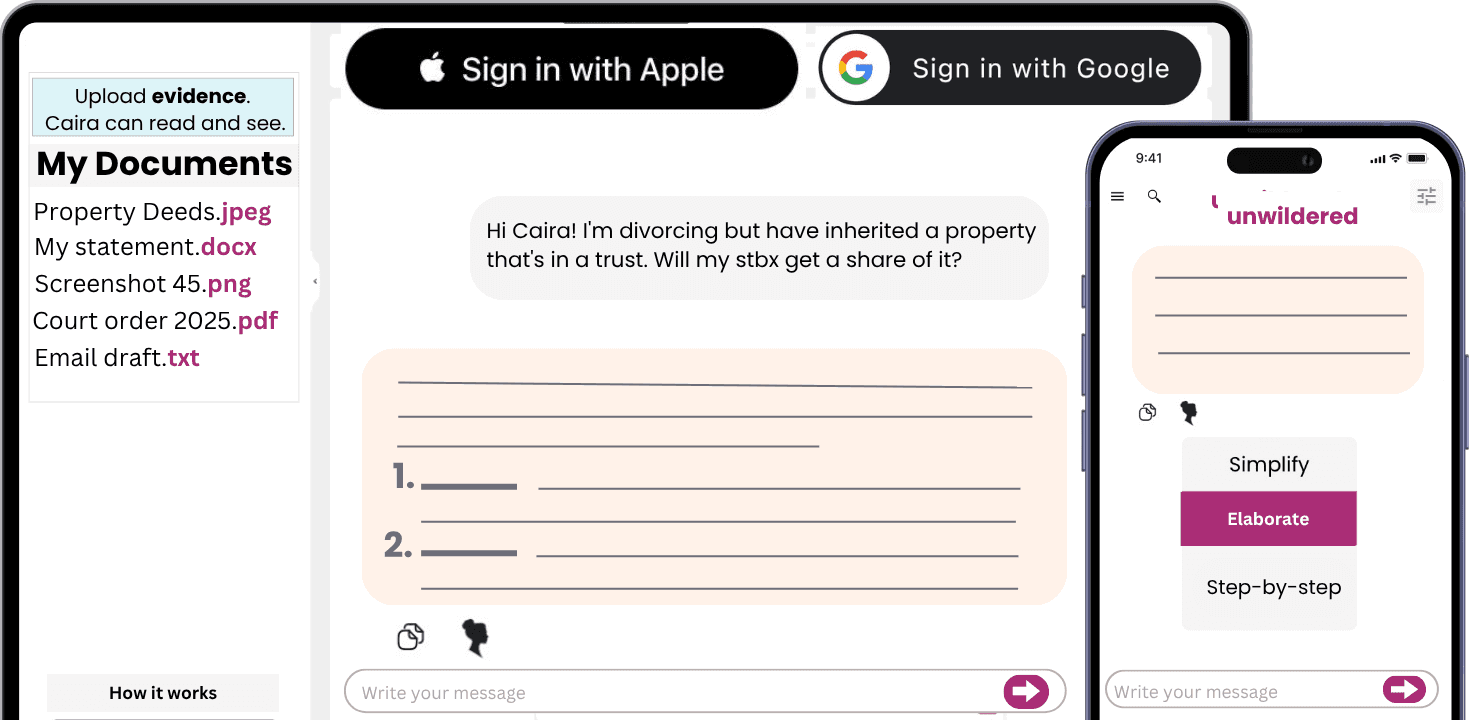
Caira, Unwildered’s AI-powered legal assistant, can review a redacted care agreement, spending summary or letter. Use it to organise the payments into a timeline or draft questions for your family or solicitor.
What if the care grows and a sibling disputes the payments?
Ali’s mum agreed to pay him £200 a month for shopping and cooking. After a fall he starts staying overnight, and he asks for £600. His sister sees the higher transfer and wants to know who agreed it. If Mum can decide, give her time and privacy to consider the new rate. If she cannot decide and Ali would be using her power of attorney to pay himself, he needs specific Court of Protection authority for the higher payment. A record of the nights he stayed and the help he gave makes the facts easier to check.
If you are worried about misuse by an attorney or deputy, report it to the Office of the Public Guardian. If Mum may be experiencing financial abuse, contact the council’s adult safeguarding team. Report suspected crime to the police. Give dates, amounts and examples from records you are entitled to see.
What if we only find out after Mum dies?
Give the dates, amounts and reasons for concern to the executor or administrator. They can look into the payments and take advice on whether the estate can recover money. The power of attorney or deputyship ends on death. The Office of the Public Guardian can still ask a former deputy for a final report.
Disclaimer: This article is for general information only and does not constitute financial, legal, tax or medical advice.