Clean, plain jeans are generally fine for watching a public court hearing in England and Wales. HM Courts & Tribunals Service says there is no formal dress code and asks visitors to dress appropriately for a formal public building. A suit is optional. Plain jeans, a tidy top and comfortable shoes are a reasonable choice. Leave clothes with offensive slogans or images at home. Staff can refuse entry if they consider clothing inappropriate.
If you’re going to court to give evidence or take part in your own case, see our guides to what to wear to court as a woman and what to wear to court as a man. If you’re there to watch, this guide takes you from finding a hearing to taking a seat in the public gallery.
Can I just walk into a court to watch?
You can usually go to a court building and ask to watch a hearing that is open to the public. The court will tell you where visitors can sit, often in the public gallery at the back or side of the room. Access depends on the hearing and the space available. Family and youth court proceedings are generally held in private. The judge or magistrates can also restrict access to other hearings, or to part of a hearing.
If you’re curious about how criminal cases work, a local magistrates’ court is a good first visit. Check the HMCTS hearing lists or call the court office. Ask which hearings are open to the public and what time you should arrive. Lists can change on the day, so double-check the room with staff when you get there. If you need step-free access or have difficulty standing in a queue, ask what the building can arrange before you travel.
What happens at court security?
Leave extra time before the listed hearing time. Staff may check your bag and ask you to empty your pockets or walk through a scanner. Take a small bag if you can. Leave things such as scissors, glass bottles and metal cutlery at home. If you bring water in a non-glass bottle, security may ask you to take a sip. Phones can go through security, but keep yours silent or switched off in the courtroom.
How Caira can help
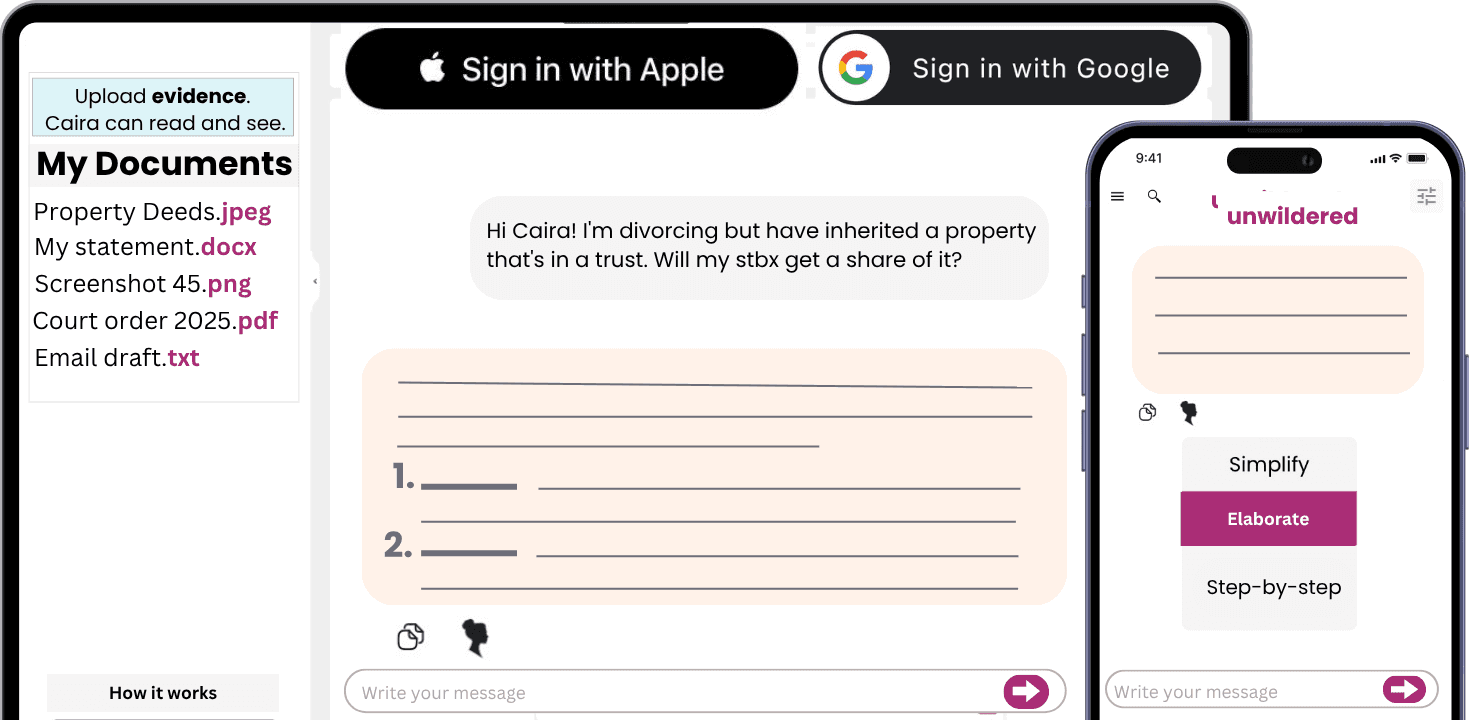
Caira, Unwildered’s AI-powered legal assistant, can help you understand a publicly available court list or explain terms like plea, directions hearing and sentencing. It can draft a short message to the court asking about public seating or accessibility. Check the visit details with court staff, as listings can change. Try Caira
Where do I go once I’m inside?
Tell reception or the usher that you’re there to observe. Ask where the public should sit and whether you can go in straight away. Once inside, stay quiet and follow the usher’s instructions about standing, sitting or leaving. Keep your camera off and don’t photograph, film or record proceedings. Check with the usher if you’re unsure about taking notes. If staff mention a reporting restriction, ask what it covers before sharing any details online.
Say you arrive in jeans and a jumper to watch a magistrates’ hearing before work. The case being heard takes longer than planned, and the usher asks you to wait outside while someone gives evidence. Ask when you can go in or whether another courtroom has public seating. If you’ll need to leave by a certain time, ask where to sit so you can slip out when the usher says it’s appropriate.
What if the hearing is closed or the gallery is full?
Follow staff directions and ask whether another public hearing is available. Sometimes only part of a hearing is closed, so it’s worth asking whether you can return for the public part. If you can’t visit in person, ask the court in advance whether remote observation is available for that hearing. The judge decides whether to allow it, and the court will explain how to join if permission is granted.
Disclaimer: This article is for general information only and does not constitute financial, legal, tax or medical advice.