If you contract for a Civil Service department and have been told you are “inside IR35”, you may feel you are getting the worst of both worlds – taxed like an employee, but without employee rights. You may pay PAYE and National Insurance through an agency or umbrella, yet still be told you are not entitled to holiday pay or other benefits.
This guide is for contractors supplying services to Civil Service bodies such as HMRC, MoJ, Defra, Home Office, DWP and others. It explains, in general terms:
What “inside IR35” means
How worker status and holiday pay rights can still arise
Why the Susan Winchester case matters
It is general information only and does not replace tailored legal or tax advice.
What does “inside IR35” really mean in the Civil Service?
In the public sector, including the Civil Service, off‑payroll working rules (IR35) require departments to assess whether a contractor is, in reality, working like an employee.
If a role is deemed inside IR35:
Income from that engagement is taxed as if you were an employee—usually through PAYE operated by an agency or umbrella.
The department avoids many traditional employer responsibilities by sitting behind the agency/umbrella structure.
Crucially, being inside IR35 is about tax, not your employment status for rights such as holiday pay, sick pay or redundancy. Employment tribunals look at:
How much control the department or agency has over what, when and how you work
Whether you are personally required to do the work (or can send a substitute)
The level of mutual obligation: do they expect you to work and pay you if work is available?
How integrated you are into the organisation (rota, supervision, appraisals, equipment, line management)
You can therefore be:
“Inside IR35” for tax, and
A worker (or even an employee) for employment‑rights purposes
Typical contracting chains: department, agency and umbrella
Many Civil Service contractors sit in a chain like this:
Government department → Agency → Umbrella company → You / your PSC
Key features:
The department controls the role, day‑to‑day work and often uses the HMRC Check Employment Status for Tax (CEST) tool to reach an IR35 decision.
The agency or umbrella places you on their payroll and issues the contract you actually sign.
Your personal service company (PSC) may still exist, but in many cases is effectively bypassed once the role is moved inside IR35.
Disputes often arise because each party points to someone else:
The department says it is only responsible for the tax assessment.
The agency/umbrella says you are not really their employee and so have no rights.
You are the one left without holiday pay or clarity.
Worker status and holiday pay: the legal basics
UK law recognises three broad categories:
Employee—full range of rights: unfair dismissal (after 2 years), redundancy pay, sick pay (if eligible), maternity/paternity rights, holiday pay, etc.
Worker—limited but important rights: paid annual leave, national minimum wage, protection from unlawful deductions and discrimination.
Self‑employed—limited rights, usually defined by the contract.
Tribunals look at the reality of the relationship, not just the label in the contract.
If you:
Personally provide work for one organisation
Cannot truly send a substitute
Have little control over how, when and where you work
Are integrated into a team like any other staff member
…there is a good chance you will at least be a worker for that organisation or the agency/umbrella, even if you are “inside IR35”.
Workers are entitled to paid annual leave under the Working Time Regulations. If you are not getting this, there may be a claim.
The Susan Winchester case: what happened and why it matters
The widely‑reported Susan Winchester case involved a contractor providing marketing services to HMRC. When the public‑sector off‑payroll rules came in, she was treated as being inside IR35 and moved onto an agency payroll.
Key reported points:
She was effectively working as an agency worker, taxed as an employee.
She claimed she was entitled to holiday pay not properly provided.
On the day of the Employment Tribunal hearing, a settlement was reached, reportedly including payment of the disputed holiday pay.
Why it matters:
It highlighted that departments, agencies and umbrellas cannot simply rely on “inside IR35” to deny that employment rights exist.
It raised awareness that large numbers of contractors might, in reality, be workers entitled to holiday pay and other basic rights.
Limits:
The case settled, so there is no reported tribunal judgment setting out a binding legal principle.
Each case still turns on its own facts: the contract wording, working practices and who is paying you.
Even so, the Winchester story gave many Civil Service contractors a language for what they felt was happening: taxed like a civil servant, treated like a gig worker.
Common disputes for contractors in Civil Service departments
Typical disputes include:
Holiday pay—not paid at all, or rolled into an opaque “uplift” that is never explained
Unlawful deductions—unexplained charges or shortfalls in pay from agencies or umbrellas
Short notice termination—engagements ended abruptly without pay in lieu of notice
Misleading status explanations—being told you are “not an employee so you have no rights” even when you are treated like staff
These disputes often rest on understanding:
Who your actual employer or engager is for rights purposes (agency vs umbrella vs department)
How long you have been in the engagement and how integrated you are
What your written contracts say—and how they compare to reality
Practical steps if you think you should have holiday pay or other rights
If you suspect you should have been treated as a worker and given holiday pay or other rights, consider:
Gather your documents:
Contracts with agencies, umbrellas and any PSC agreements
Assignment schedules, statements of work and any IR35 Status Determination Statement (SDS)
Payslips showing tax, NI and any “holiday” or “uplift” lines
Map the working reality:
How many days per week you work exclusively for the department
Who directs your work day to day
Whether you can realistically send a substitute
Raise questions in writing:
Ask the agency/umbrella to explain how holiday pay has been calculated and paid
If they say it is “rolled up” into your rate, ask for a clear breakdown
Check limitation periods:
Claims for unpaid holiday pay or unlawful deductions are subject to time limits, often counted from the last in a series of deductions
Early discussion with a legal adviser can help you avoid missing deadlines
Consider collective routes:
Contractors in the same department and chain may share similar issues
Some choose to coordinate through unions, professional associations or contractor networks
Using Caira to analyse contracts, SDS and payslips
Contracts and IR35 documents are often dense and jargon‑heavy. That is where a focused tool can help you make sense of them.
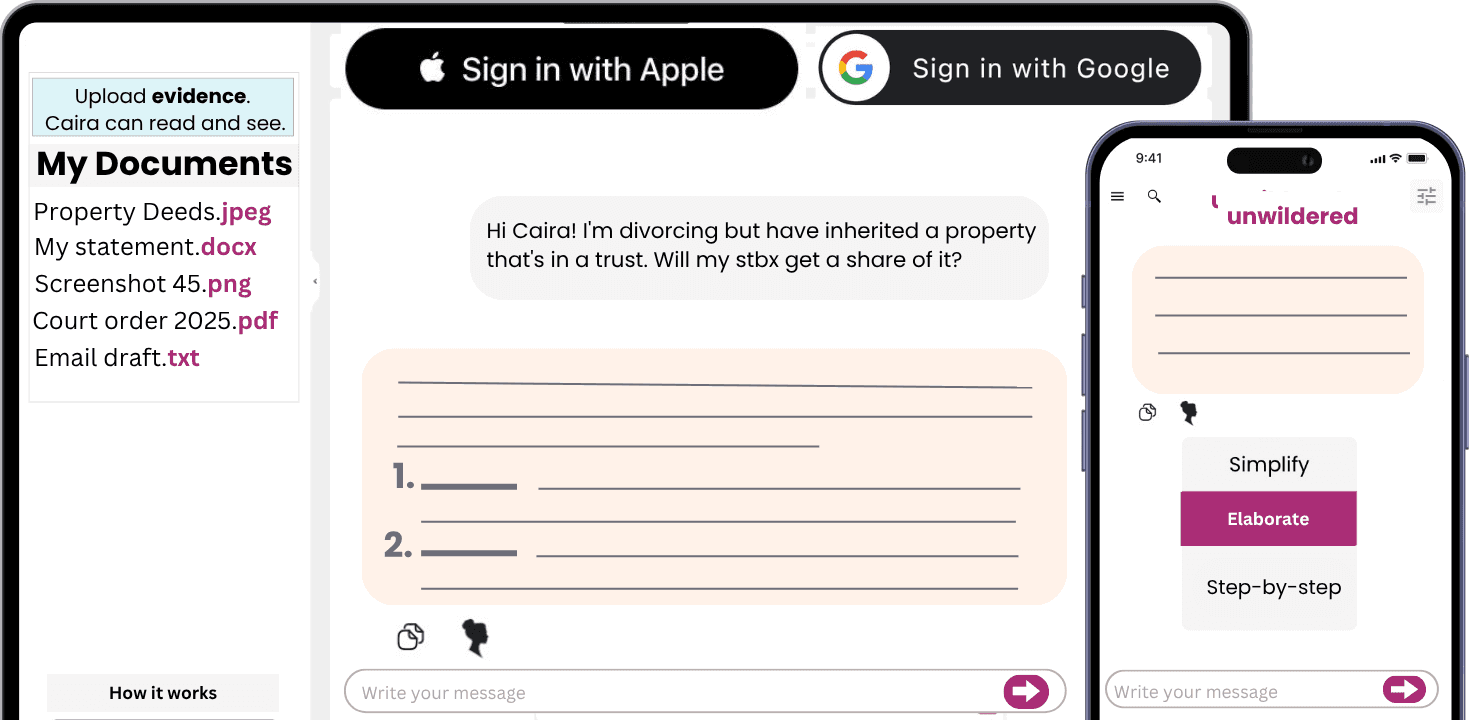
Caira is an AI‑powered, privacy‑first legal assistant for people dealing with legal and procedural questions in the UK (with a focus on England and Wales employment law). It can help you:
Upload agency and umbrella contracts, IR35 Status Determination Statements, CEST outputs, payslips and correspondence as PDFs, Word documents, spreadsheets, photos or screenshots
Ask targeted questions like “Does this contract say I am a worker or an employee?”, “Where does it mention holiday pay?” or “Does the SDS match what actually happens day to day?”
Generate draft emails querying holiday pay, letters raising concerns about status, or notes for meetings with agencies or advisers so you feel more prepared
Ask Caira to compare two contracts or SDS documents side by side and highlight the main differences
Behind the scenes, Caira reads both your uploaded documents and a large internal library of more than 10,000 legal and tax documents for England and Wales, then uses generative AI to give tailored explanations.
From a privacy perspective:
Caira is designed to be privacy‑first—your data is not used to train public AI models
Your documents are not passed to third‑party human reviewers
You can try Caira with a 14‑day free trial that takes under a minute to start and does not require a credit card. After that it is an affordable, low‑cost subscription—roughly the price of a cheap takeaway each month—at £15/month, available 24/7 on your phone, tablet or laptop.
Used well, Caira will not replace regulated legal or tax advice, but it can help you understand your paperwork and frame better questions.
If you need more detail, our Civil Service 60% Office Attendance: Flexible Working, Discrimination and Constructive Dismissal (England and Wales, UK) may help.
You might also find Civil Service Code vs Free Speech: Social Media, Political Activity and Disciplinary Risk (UK Civil Service) useful.
For related issues, see Part III MFPA: Getting a Financial Order After an Overseas Divorce.