If repeated noise or intimidation has made home feel unsafe, reporting anti-social behaviour can help you seek protection. This guide explains how to build evidence for a closure order, report incidents to the right agency and escalate complaints in England and Wales, while protecting your privacy.
A closure order can restrict access to premises linked to serious nuisance or disorder. An authorised agency applies to court; your reports can support its case. Checked on 15 October 2026, this guide also explains what changes from 26 October 2026.
What does ASB look like?
In Reddit and neighbour-forum discussions, residents describe repeated late-night bass music, shouting, threatening notes, intimidation at the door and nuisance calls. Other examples include vandalism, dumped rubbish and visitors causing disorder. Frequency, severity and impact matter: ordinary footsteps, a crying baby or occasional household noise are not automatically ASB.
Where should I report it?
Put safety first. Call 999 for immediate danger or a crime in progress. Use 101 or the police website for non-emergency threats, harassment or suspected crime.
Use the council’s ASB reporting form. For persistent noise, also contact environmental health through its noise-complaint form. Tell the landlord or housing association where relevant.
Keep the reference numbers. Ask for a named contact, risk assessment, action plan and update date. Explain any disability, children’s needs or fear of retaliation.
The government’s reporting guide explains what to supply. Report promptly; do not wait until you have a complete evidence file.
Do other neighbours have to complain?
No. Your report and first-hand account matter. There is no fixed requirement for several complainants before a closure order can be considered. Independent neighbours’ accounts can strengthen the picture, but each person should describe their own observations. Avoid copied statements or presenting rumours as facts.
What evidence should I keep?
Record | Include |
|---|---|
Incident diary | Date, start/end time, location, what you saw or heard and when you wrote it down. |
Effect on you | Sleep disruption, missed work, fear, damage or changes to how you use your home. |
Supporting material | Original messages, photographs or relevant recordings collected safely. |
Reporting history | References, correspondence, agency responses and incidents after warnings. |
Explain the connection to the particular premises. Seeing visitors enter a shared building does not establish which flat they visited. Keep originals and unedited context; identify anything you learned from someone else. Medical evidence may help explain harm, but a diagnosis is not a prerequisite to reporting.
When can a court close a property?
A closure order restricts access to premises; an injunction targets a person’s behaviour. Currently, police or councils pursue closure orders following a closure notice. Residents do not apply for a closure order themselves.
Under section 80 of the 2014 Act, the court must find qualifying behaviour on the premises, serious public nuisance from their use, or associated disorder nearby, including specified future risks. Closure must also be necessary. Ordinary neighbour friction does not automatically meet this test.
The court must consider proportionality and effects on residents, including vulnerable occupiers who may themselves be exploited. Closure is not automatic eviction or a permanent solution.
Proof is assessed on the balance of probabilities. In Taylor v Solihull MBC [2020] EWHC 412 (Admin), anonymous hearsay was admissible but required scrutiny; an arrest alone proved nothing. More reports do not guarantee an order.
What becomes easier on 26 October 2026?
The commencement regulations activate legislative changes alongside new Home Office guidance:
Until 25 October | From 26 October 2026 |
|---|---|
Closure notices last up to 48 hours. | Maximum rises to 72 hours, allowing longer temporary restrictions. |
Police and councils use closure powers. | Registered social housing providers can also use them for premises they own or manage. |
Case-review challenges follow existing local arrangements. | A statutory Local Policing Body review offers further escalation, subject to its legal conditions. |
Respect orders also introduce criminal enforcement for breaches of adult behavioural orders. These changes widen agencies’ options; they do not remove the evidence requirements or guarantee closure.
How can I collect evidence without invading privacy?
Do not confront, follow or provoke anyone for footage. Keep CCTV coverage narrow, use privacy masking and avoid unnecessary audio. Recording beyond your boundary brings data-protection obligations, including signage, security and appropriate deletion.
In Fairhurst v Woodard (2021), excessive surveillance, particularly audio, breached data-protection law. It was not a blanket ban on doorbells. Share relevant evidence securely with investigators, rather than posting accusations online. Ask what might be disclosed in court; anonymity cannot be promised.
What if reporting has not helped?
Request an ASB Case Review using your council’s local form. Three qualifying complaints within six months is the usual benchmark: it does not mean three different people. Check local eligibility and timing rules. Include references, continuing harm and the response sought.
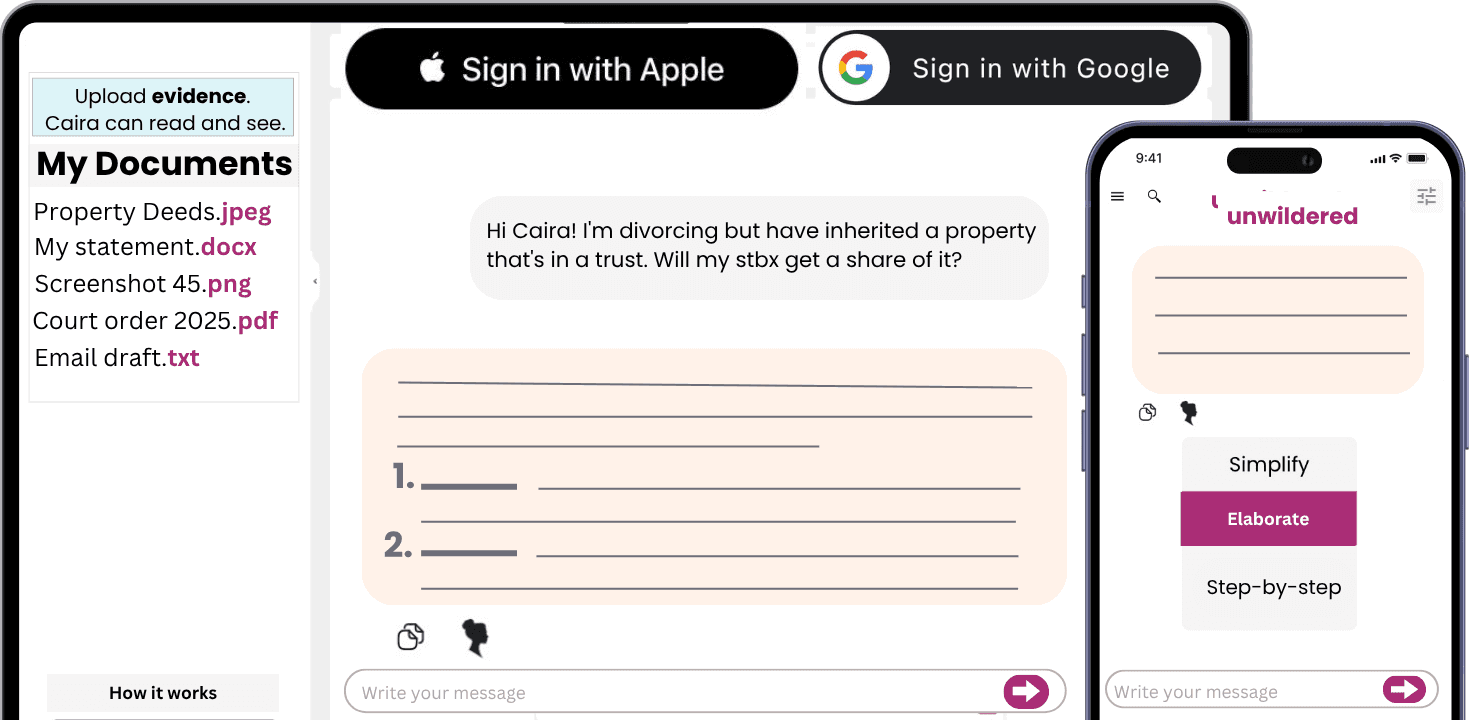
Ask for written reasons and the review/appeal procedure if refused. Use the agency’s separate complaints process for poor service. From 26 October, also check the Local Policing Body review route, usually through the Police and Crime Commissioner’s office. A review does not guarantee court action. Caira can help organise your chronology and draft a clear request; remove unnecessary identifying details before uploading documents.
Disclaimer: This article is for general information only. This is not legal, financial, social or medical advice. Seek appropriate professional support for your circumstances.