Why Set Up Employee Health Insurance?
With NHS waiting lists remaining high (see the latest NHS England Referral to Treatment data), many UK SMEs are considering private medical insurance (PMI) for staff. But setting up a scheme isn’t just about picking a provider—it’s about navigating tax, payroll, exclusions, and disputes. Here’s a practical checklist to help you get it right, with real-world pitfalls and evidence tips for each step.
Checklist: Setting Up Employee Health Insurance for SMEs
Define eligibility and cover: Who will be covered—just employees, or family too? What level of cover do you want (core, outpatient, mental health, dental)?
Choose underwriting method: Decide between moratorium (no medical questionnaire, but more claim disputes over pre-existing conditions) and full medical underwriting (requires health info upfront, but can reduce future disputes).
Get multiple quotes: Approach at least three providers—Bupa, AXA Health, Aviva, Vitality, WPA. Ask for a written breakdown of what’s included and excluded.
Clarify policy exclusions: Check how each provider defines pre-existing, chronic, mental health and ‘lifestyle’ conditions. Ask for written definitions and example scenarios.
Set up payroll and tax reporting: For tax years up to 2025/26, report via P11D or (optionally) payroll. From 6 April 2027, mandatory payrolling is due to apply to medical benefits under HMRC's phased approach (see HMRC mandatory payrolling guidance). Make sure your payroll provider is ready.
Communicate with staff: Explain the benefit, tax implications, and what to expect on payslips. Provide a contact for questions—HR, payroll or your broker.
Document everything: Keep copies of quotes, policy documents, staff communications, opt-in records, and payroll reports. This evidence is vital if a dispute or HMRC query arises.
Messy Example: When Set-Up Goes Wrong
Imagine this: You set up a PMI scheme for 12 staff. You choose moratorium underwriting for speed, but don’t clarify how pre-existing conditions are defined. Six months later, an employee’s claim for a knee operation is denied—insurer says symptoms existed before cover started. The employee is upset, and you’re stuck between the insurer, the staff member, and HR. To make matters worse, your payroll team didn’t realise the benefit should be reported, so no tax was deducted. HMRC flags this in a PAYE inspection, resulting in a penalty.
What could have helped? Written definitions from the insurer, clear staff communication, and evidence of all decisions. It’s also a reminder to check payroll processes match HMRC guidance—especially with mandatory payrolling for medical benefits being phased in from 6 April 2027.
Key Questions to Ask
HR: Who is eligible? How will opt-in/out be managed? How will staff be informed about tax?
Insurer/Broker: Can you provide written definitions of pre-existing and chronic conditions? What’s the process if a claim is denied? What evidence is needed for appeals?
Payroll: Are you preparing for mandatory payrolling of medical benefits from 6 April 2027? How will this show on payslips?
Doctor (if a claim is disputed): Can you provide a letter confirming when symptoms first appeared?
Evidence to Keep
All policy documents, quotes and renewal terms
Staff communications (emails, letters, briefings)
Payroll records showing how benefits are reported
Claim forms and correspondence with insurers
Any medical notes or supporting documents for disputed claims
Common Dispute Triggers and What to Do
Issue | Moratorium | Full Medical Underwriting | Resolution Route |
|---|---|---|---|
Pre-existing conditions | Usually excluded for 2-5 years | Disclosed and may be excluded or loaded | Appeal to insurer, then Financial Ombudsman if unresolved |
Acute vs chronic | Insurer defines (not always clear) | Insurer defines (not always clear) | Request written definition, challenge with GP/consultant letter |
Waiting period disputes | Common | Rare | Clarify with insurer, escalate if ambiguous |
If a Claim Is Denied
Request a full written explanation, citing the relevant policy clause.
Submit a formal complaint in writing, referencing your policy number.
If unresolved after 8 weeks, escalate to the Financial Ombudsman Service (see their private medical and dental insurance pages).
Employee template: "Dear [Insurer], I am writing to request a detailed written explanation for the denial of my claim (ref: [claim number]). Please provide the exact policy terms and any supporting documentation you relied upon. If I do not receive a satisfactory response within 14 days, I intend to escalate this to the Financial Ombudsman."
How Caira by Unwildered Can Help
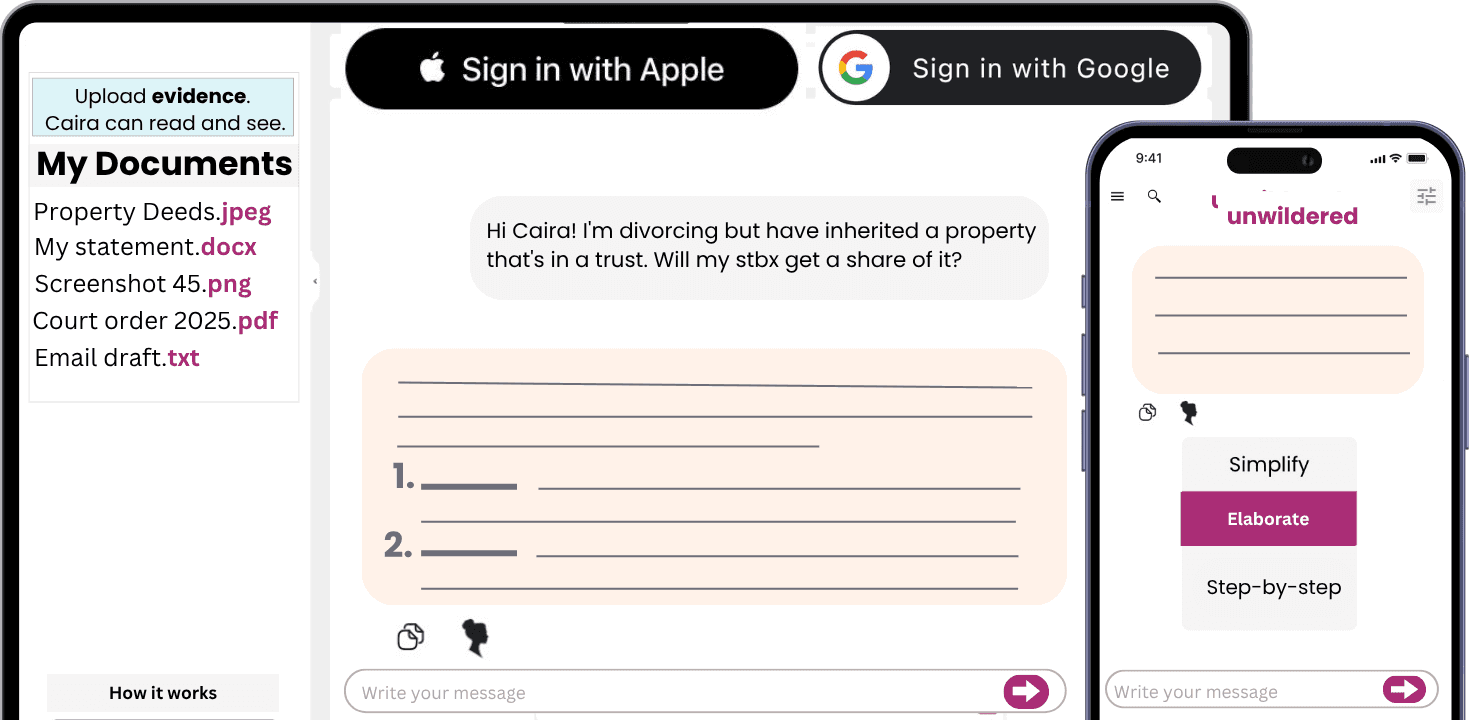
Caira by Unwildered lets you upload policy documents, letters, screenshots, emails, medical notes and bills. It can compare wording, organise your evidence, draft questions or emails, and help you understand next steps—day or night. No question is too basic, and you can use Caira to keep everything in one place if a dispute or payroll query arises.
Useful Starting Points
This article is general information, not legal, tax, insurance, financial or medical advice.