Your brother’s night support is being replaced by a phone number. The provider calls it “building independence”. He says he is happy, but has started sleeping in his coat because he is afraid to ask for help. You want him listened to without dismissing the progress he has made.
In supported living, the important distinction is between a genuine change in needs and a service change that leaves those needs unmet. This article covers England; the care and complaints systems differ elsewhere in the UK.
Can the council reduce a support package?
A care plan can change. It is not a permanent entitlement to an identical number of hours. But the council must follow the Care Act review and care-planning requirements, involve the adult and explain how eligible needs will still be met.
Ask for the review, relevant assessment, proposed revised plan and reasons. A general statement about budgets or independence does not explain how a particular person will manage medication, distress or night-time risks. Describe what happens at those times and whether the proposed alternative actually works for them.
Problem | First practical step | Further route |
|---|---|---|
Support hours reduced | Request reasons, review and interim safeguards | Council complaint; Ombudsman where suitable |
Missed visits or unsafe care | Record incidents and notify provider or commissioner | Safeguarding; CQC information where relevant |
Rent or threatened eviction | Check tenancy or licence and notice | Urgent housing advice or court response |
Immediate danger | Seek emergency help | Do not wait for a complaints decision |
What should a complaint actually say?
Take Mo, who receives help after episodes of confusion. His sister believes waking-night staff are essential; Mo dislikes staff checks and wants more privacy. Two incidents occurred while staff were present, so simply counting those incidents does not prove which staffing arrangement is safest.
A useful request asks what happened, what help was needed and how alternatives were assessed. Could scheduled checks, assistive technology or a different staffing pattern meet his needs? Who tested whether he can use the proposed telephone service when distressed? Include his preferences alongside the risks.
Keep a dated incident record and identify a specific remedy: correct an assessment, restore missed provision, reconsider a decision or agree an interim plan. Ask the council whether it will keep existing support while the dispute is considered. A complaint does not automatically suspend a care reduction.
Can changing care provider put your home at risk?
In a genuine supported-living arrangement, accommodation and personal care are separate and people should have meaningful choice about care provision. A statement that “you must leave if you complain” deserves close scrutiny.
However, do not assume every resident has the same tenancy rights. Tenancies and licences differ, and the legal status depends on the arrangement rather than its title alone. Keep the agreement and any notice. Get urgent housing help if removal or eviction is threatened; the care complaints process is not a substitute for responding to court papers.
Is CQC the place to complain?
Raise service problems with the provider and, for council-arranged care, the council. The Local Government and Social Care Ombudsman can consider relevant complaints after the organisation has had an opportunity to respond, subject to its rules.
CQC regulates relevant personal-care activities in England. Housing support alone is not automatically CQC-regulated. CQC can use information about poor care in its regulatory work, but does not resolve an individual complaint in the same way as an ombudsman.
Where abuse or neglect is suspected, contact the council’s adult safeguarding team. Call 999 for immediate danger. Safeguarding, complaints and housing action may need to run alongside one another.
Are new supported housing licences already required?
As reviewed on 10 November 2026, the national licensing scheme was at draft-regulations consultation stage, with implementation estimated during 2027/28. Do not confuse proposed national standards with existing duties or any separate property licence already required.
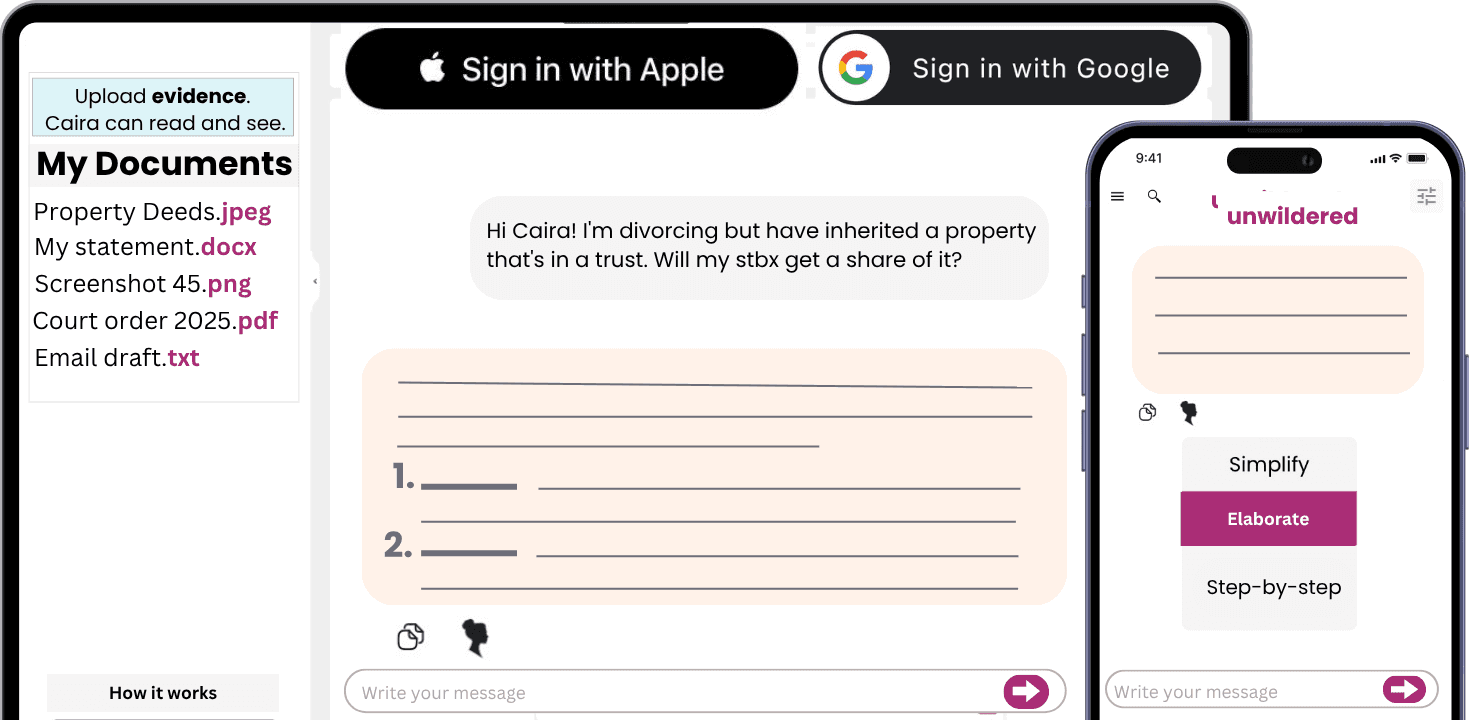
Caira can help organise your documents into a chronology and a focused complaint. Check its summary against the records, especially where accounts differ.
Questions you might feel awkward asking
Will complaining automatically stop the care cut?
No. Ask expressly for an interim arrangement and explain the risk if support changes immediately.
Can I complain for my adult relative?
Usually their consent or an appropriate legal basis is needed. Being family does not automatically give decision-making authority.
Is poor support always a safeguarding matter?
No. Safeguarding concerns abuse or neglect within the statutory framework. Service complaints can still matter without meeting that threshold.
Disclaimer: This blog post provides general information for educational purposes only. It is not legal advice. Outcomes can vary based on your personal circumstances.