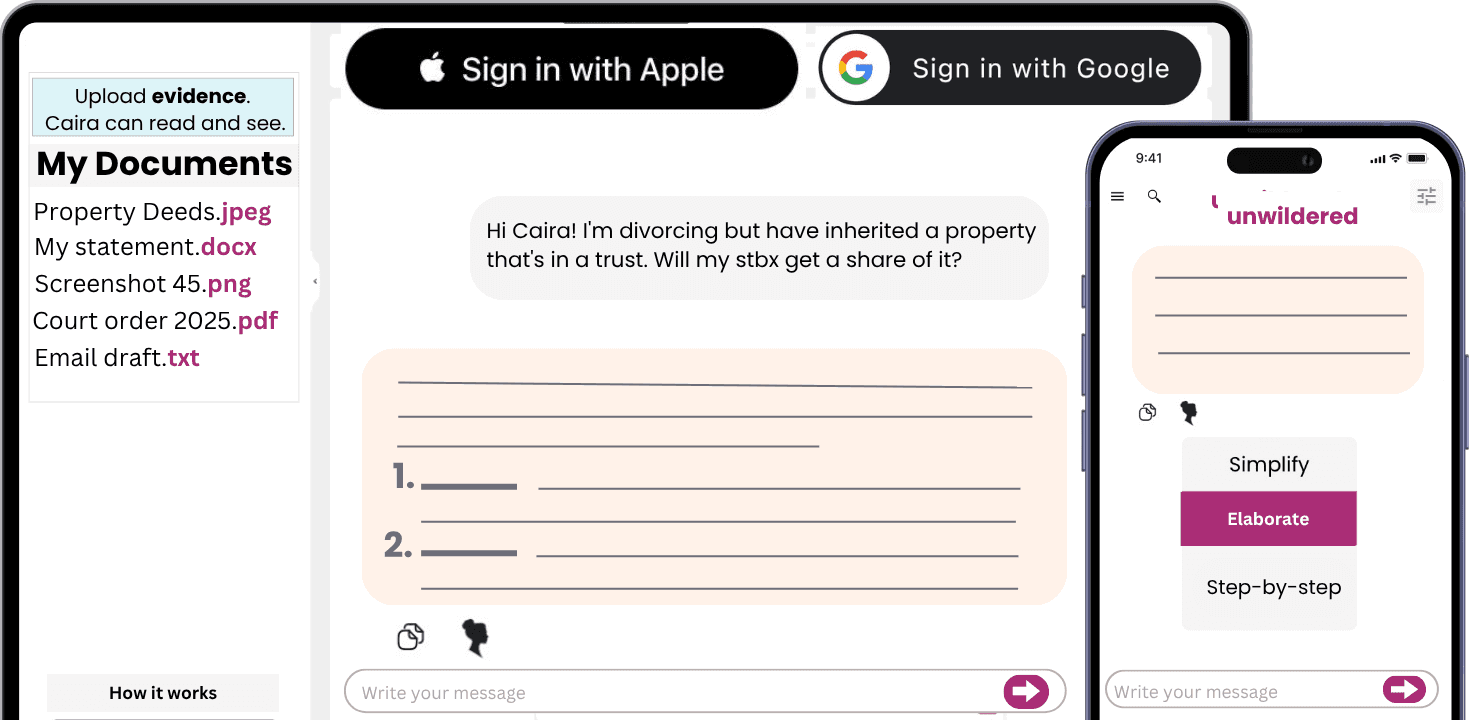
singapore small claims tribunals claim 2 के लिए सबसे मजबूत पहला कदम आमतौर पर एक स्पष्ट फ़ाइल होती है। Caira इसे uploads से बनाने में मदद कर सकता है। Singapore कानून के बारे में पूछें, पत्र या फ़ॉर्म का मसौदा तैयार करें, और समीक्षा के लिए फ़ाइलें अपलोड करें।
30 सेकंड में चैट शुरू करें
आदेश, प्राप्ति की तिथि, समय-सीमा, अनुमति का मुद्दा, और माँगा गया सटीक उपाय पहचानें।
यदि SGD 2 million दाँव पर है, तो अस्पष्ट आधार अन्यथा गंभीर appeal को कमजोर कर सकते हैं।
Appeals रिकॉर्ड पर केंद्रित होते हैं, विवाद की शुरुआत से नई कहानी पर नहीं।
Caira निर्णय, साक्ष्य बंडल, और अपने grounds के लिए draft checklist पर काम करने में आपकी मदद कर सकता है।
Singapore Small Claims Tribunals कुछ consumer, contract, और residential tenancy विवादों के लिए एक व्यावहारिक मार्ग प्रदान करते हैं। लेकिन प्रक्रिया eligibility की पुष्टि से शुरू होती है। आपका tenancy deposit claim, defective goods पर विवाद, service refund demand, या छोटा contract issue सरल लग सकता है। फिर भी Tribunals को सही claim type, limits, respondent information, documents, और service के विवरण चाहिए। Singapore Courts के small claims, eligible cases, और CJTS के माध्यम से step-by-step filing वाले पेजों से शुरू करें।
यह एक तैयारी मार्गदर्शिका है। इसका मतलब यह नहीं कि आप हर landlord, contractor, employment, renovation, या business dispute को Small Claims Tribunals में दाखिल कर सकते हैं। हमेशा अपनी पहली कार्रवाई के रूप में current Singapore Courts eligibility page देखें।
गलती 1: eligibility जाँचे बिना claim का मसौदा तैयार करना
आधिकारिक eligible-cases page से शुरू करें। अपने claim का type, monetary cap, time limit, क्या residential tenancy agreement से संबंध है, और क्या respondent प्रक्रिया में फिट बैठता है, इसकी समीक्षा करें। यदि salary issue, wrongful dismissal, harassment, family maintenance, या non-money remedy चाहिए, तो संभवतः आपको दूसरा मार्ग चाहिए। tenancy deposit issues के लिए, agreement, move-out date, deposit sum, deductions, और माँगी जा रही राशि स्पष्ट करें।
गलती 2: गलत respondent का नाम लिखना
जिस व्यक्ति या इकाई के विरुद्ध आप दावा कर रहे हैं, उसका कानूनी नाम और सही संपर्क विवरण हमेशा उपयोग करें। Rental claims आम हैं। tenancy agreement, landlord identity, agent communications, transfers के लिए उपयोग किया गया bank account, receipts, property management replies, और company registry details से मिलान करें। यदि भुगतान agent को गया लेकिन landlord ने हस्ताक्षर किए, तो केवल agent को respondent न लिखें—कागज़ात जाँचें। संगठन के लिए उपयोगी द्विभाषी folder labels हैं claimant, respondent, tenancy agreement, deposit, evidence, 小额索赔, 答辩方, 租约, और 押金।
गलती 3: कमजोर service जानकारी
Singapore Courts workflow में filing और serving दोनों शामिल हैं। respondent का address, email, phone, या अन्य आवश्यक contact information न होने से आपका claim आसानी से देरी या कमजोर हो सकता है। agreements, NRIC या passport details यदि वैध रूप से प्राप्त हों, business registration records, property addresses, और हाल की message threads से सभी प्रासंगिक addresses सहेजें जो संपर्क की पुष्टि करते हैं। कभी भी service address गढ़ें नहीं। यदि किसी विवरण को लेकर अनिश्चित हों, तो filing के समय उसे स्पष्ट रूप से प्रश्न के रूप में चिह्नित करें।
गलती 4: बिखरा हुआ साक्ष्य अपलोड करना
CJTS की ओर बढ़ने से पहले एक स्पष्ट, सुव्यवस्थित evidence set तैयार करें। tenancy deposit claim के लिए इकट्ठा करें और अपलोड करें: signed tenancy agreement, deposit payment का proof, rent payment records, inventory lists, move-in और move-out photos, key return का proof, यदि आवश्यक हो तो aircon servicing या cleaning receipts, landlord deductions के बारे में messages, आपका refund request, और कोई partial refunds। consumer या service claims के लिए invoices, contracts, receipts, product photos, complaint messages, repair के प्रयास, cancellation requests, और refund refusal शामिल करें।
फ़ाइलों के नाम ऐसे रखें कि पालन करना आसान हो: 01 tenancy agreement, 02 deposit payment, 03 move-in photos, 04 move-out photos, 05 key return, 06 landlord deductions, 07 refund request. उद्देश्य tribunal को बोझिल करना नहीं है। उद्देश्य कहानी को एक नज़र में बताना है।
गलती 5: गणना के बिना remedy माँगना
ठीक-ठीक बताएं कि आप क्या चाहते हैं, और वहाँ तक कैसे पहुँचे। उदाहरण के लिए: deposit paid, less the amount you received back, less accepted deductions, amount you’re disputing, फिर filing-related costs जोड़ें (यदि current rules के तहत अनुमति हो), और कुल claim जोड़ें। यदि आप replacement, repair, refund, या payment चाहते हैं, तो अपने अनुरोध को small-claims framework के अनुरूप रखें। “मुझे उचित मुआवज़ा दें” जैसे अस्पष्ट वाक्यांशों से बचें—हमेशा संख्या और सहायक दस्तावेज़ दें।
गलती 6: consultation और hearing sequence को नज़रअंदाज़ करना
एक small claim केवल एक फ़ॉर्म जमा करने से अधिक है। Singapore Courts filing, serving, consultation, और—कभी-कभी—hearings वाली प्रक्रिया बताते हैं। महत्वपूर्ण तिथियों के लिए reminders का उपयोग करें। attendance notices, settlement offers, tribunal orders, और post-filing messages रखें। क्या दूसरी पार्टी ने आंशिक settlement की पेशकश की? राशि, due date, और क्या वह सभी claims को कवर करती है, दर्ज करें।
दाखिल करने से पहले का अनुरोध
Dear [name], I refer to [agreement/order] dated [date]. I paid [amount] and am claiming [amount] because [short reason]. Please pay or resolve this by [date]. If you disagree, please provide a written explanation and supporting documents. I will rely on the agreement, payment proof, messages, and photos if I file a claim.
Unwildered कहाँ फिट होता है
अपना agreement, receipts, correspondence, photos, respondent information, और draft claim summary अपलोड करें। Unwildered eligibility स्पष्ट करने, evidence व्यवस्थित करने, amount calculation सुधारने, और एक मजबूत CJTS कहानी बनाने में मदद करता है—ताकि आप आधिकारिक Singapore Courts प्रक्रिया में प्रवेश करने से पहले तैयार हों।
यह लेख सामान्य जानकारी है, कानूनी, वित्तीय, चिकित्सीय या कर सलाह नहीं।