If an auction listing says “tenant in situ”, work out what you would own on completion before you set your maximum bid. A tenancy can continue after a sale. An auction catalogue’s rent figure or promise of vacant possession needs to be checked against the signed documents and the special conditions of sale. This guide covers residential property in England.
1. Find out who actually lives there
Ask the auctioneer whether the lot is sold with vacant possession, subject to one or more tenancies, or with occupation unconfirmed. Ask for the signed tenancy agreements, renewals, variations and any licences or company lets. Check whether every occupier is accounted for. Compare the pack with the property description, viewing notes and any replies from the seller’s solicitor.
A tenancy labelled “AST” may now operate as an assured periodic tenancy under the reforms that began on 1 May 2026. Older regulated tenancies and other occupancy arrangements can work differently. Ask your conveyancer to classify the occupation before relying on an end date or rent-review provision.
2. Read the contract’s promise about possession
Start with the special conditions. Look for wording that overrides the auction particulars, excludes a seller warranty about occupation, or requires you to accept whoever is in the property at completion. Ask for written clarification if the catalogue says “vacant” but the seller has supplied a tenancy agreement or a recent rent statement. If you need the property empty to move in, refurbish or satisfy your lender, ask your solicitor what the contract gives you if the seller cannot deliver vacant possession.
A notice to leave, or a tenant’s informal message that they plan to move, does not prove that the property will be empty at completion. Ask for any notice, service evidence, surrender documents and court papers. A possession notice requires the applicable ground and procedure. For an ordinary assured tenancy, the moving-in and selling grounds usually require four months’ notice and are subject to a protected first year. A court order and enforcement can add time. Check the facts under the current GOV.UK possession guidance.
Worked example. The catalogue says vacant but the contract does not promise it
The catalogue says the flat will be vacant on completion. The special conditions say you must accept anyone still occupying it, and the only evidence of a move is the tenant’s text saying they plan to leave on Friday. Your mortgage offer requires vacant possession. Ask your conveyancer what the contract actually guarantees and how you can confirm the flat is empty before completion. If the seller will not give a binding answer, do not bid on the assumption that the flat will be empty.
3. Reconcile the rent, arrears and deposit
Ask for a rent ledger and evidence of recent payments. Compare them with the rent in the signed agreement and the auction advert. Find out who keeps arrears that accrued before completion, which rent is apportioned on completion, and whether there are concessions, rent disputes or pending tribunal proceedings. Base your budget on rent actually received and allow for repairs, voids and compliance costs.
If the tenant paid a deposit, ask for the scheme name, protection certificate, prescribed information and the amount held. Ask your solicitor and the scheme how the account, deposit and tenant information will be dealt with on completion. A line in the sale statement does not by itself resolve historic non-compliance. Check the rules on tenancy deposit protection and get any missing evidence in writing.
How Caira can help
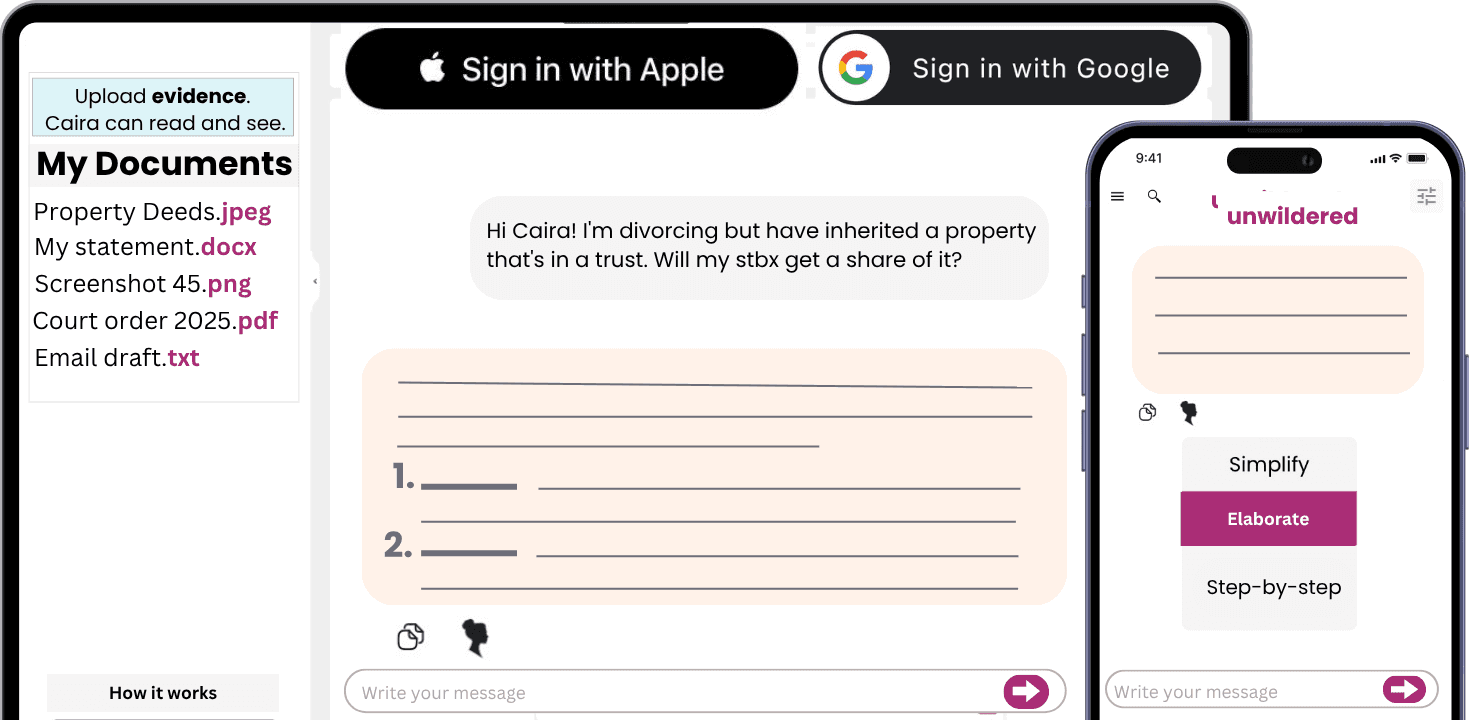
Caira, Unwildered’s AI-powered legal assistant, can review the tenancy agreement, rent ledger and auction special conditions together. Ask it to flag mismatches on rent, deposits or possession and draft questions for the auctioneer or your conveyancer before you bid.
4. Check the landlord obligations you would take on
Request the EPC, gas safety record where applicable, electrical report, any property licence and details of open repair or council enforcement issues. Ask the council whether a licence is needed and what you must do on a change of owner. Check leasehold restrictions on letting, the buyer’s mortgage terms, the insurance terms and the deadline for completion. Agree who will notify the tenant of the change of landlord and give an address for service. Section 3 of the Landlord and Tenant Act 1985 sets out the new landlord’s notification duty.
For the change-of-landlord notice, check section 3 of the Landlord and Tenant Act 1985. The separate duty to give the tenant an address for serving notices in England or Wales is in section 48 of the Landlord and Tenant Act 1987.
Worked example. The catalogue says £950 a month
The agreement says £900, the ledger shows two months unpaid, and the seller says the deposit will be “dealt with”. Price the property on the documented position. Ask for the evidence behind the extra £50, confirm who gets the arrears and insist on a written plan for the deposit. If the documents do not support the assumed rent or completion position, reduce your bid ceiling or leave the lot.
Read our residential auction legal-pack checklist for title, searches and special conditions. The Unwildered auction pack review can help you identify documents and questions to take to your conveyancer before bidding.
Disclaimer: This article is for general information only and does not constitute financial, legal, tax or medical advice.