Обновление 2026: правила аренды в Англии изменились
С 1 мая 2026 года Закон о правах арендаторов изменил важные аспекты частной аренды в Англии, включая выселения без вины по разделу 21, структуру найма и ряд обязанностей арендодателя. Точный ответ может зависеть от дат. Проверьте, когда был заключен договор найма, вручено уведомление или произошло повышение арендной платы.
Руководство GOV.UK по Закону о правах арендаторов объясняет основные изменения в частной аренде. В Англии большинство договоров частной аренды теперь предполагается оформлять как бессрочные периодические assured tenancies. Арендодателям, как правило, нужен действительный основание для истребования владения, а не новое уведомление по разделу 21. Повышение арендной платы обычно требует правильной процедуры по разделу 13. В Уэльсе, Шотландии и Северной Ирландии действуют другие правила.
Вопрос | Что проверить |
|---|---|
Уведомление или истребование владения | Дата вручения, основание, на которое ссылаются, и использовал ли арендодатель правильную форму. |
Повышение арендной платы | Соответствует ли повышение правильной процедуре и подтверждают ли его сопоставимые местные ставки аренды. |
Тип найма | Считается ли соглашение теперь периодическим по новым правилам. |
Доказательства | Сохраняйте договор найма, уведомления, сообщения, историю платежей по аренде и фотографии неисправностей. |
Основание | Пример ситуации |
|---|---|
Задолженность по аренде | Арендатор должен два месяца аренды |
Арендодатель хочет продать | Арендодатель выставляет объект на рынок |
Арендодателю/семье нужно въехать | Ребенку арендодателя нужен дом |
Существенное нарушение договора найма | Антисоциальное поведение, повреждение имущества |
Реконструкция/капитальные работы | Планируется капитальный ремонт |
Окончание найма, связанного с работой | Смотритель уходит с работы |
Поддерживаемое/временное жилье | Арендатор больше не соответствует критериям |
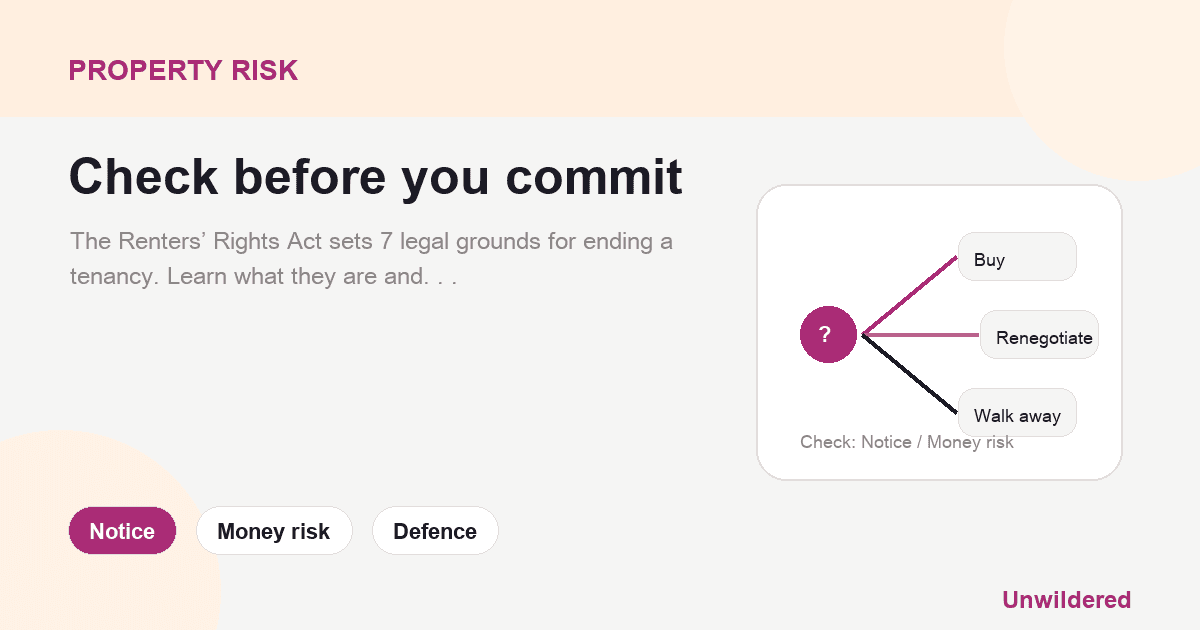
Прекратить договор найма теперь не так просто, как раньше. По Закону о правах арендаторов 2025 года арендодателям, как правило, нужно опираться на конкретные законные основания, чтобы вернуть владение своим имуществом. Это изменение призвано дать арендаторам больше защищенности и обеспечить, чтобы выселения были справедливыми и обоснованными. Вот понятное руководство по семи допустимым основаниям для прекращения договора найма.
1. Задолженность по аренде
Если арендатор серьезно отстает по оплате аренды — обычно на два месяца или более — арендодатель может требовать истребования владения. Суд учтет сумму долга и является ли задолженность постоянной.
2. Арендодатель хочет продать
Арендодатель может прекратить договор найма, если действительно намерен продать имущество. Необходимо вручить уведомление, а процедура должна соответствовать требованиям закона.
3. Арендодателю или близкому члену семьи нужно въехать
Если арендодателю или близкому члену семьи нужно переехать в объект как в основное жилье, это допустимое основание. Обычно требуется подтверждение реальной необходимости.
4. Существенное нарушение договора найма
Это охватывает ситуации, когда арендатор существенно нарушил соглашение — например, причинил ущерб, вел антисоциальное поведение или сдал жилье в субаренду без разрешения.
5. Реконструкция или капитальные работы
Если арендодателю нужно провести значительные работы или реконструкцию, которые невозможно выполнить при проживающем арендаторе, можно требовать истребования владения. Работы должны быть существенными, а не просто текущим ремонтом.
6. Окончание найма, связанного с работой
Если договор найма был предоставлен потому, что арендатор работал у арендодателя (например, как смотритель или сельскохозяйственный работник), и эта работа прекращается, арендодатель может требовать истребования владения.
7. Поддерживаемое или временное жилье
Если жилье предоставлялось как часть поддерживаемого жилья или временного размещения, и арендатор больше не соответствует критериям, арендодатель может прекратить договор найма.
Заключение
Закон о правах арендаторов ясно дает понять: у арендодателей должна быть законная причина для прекращения договора найма. Эти семь оснований призваны сбалансировать права арендодателей и арендаторов, обеспечивая безопасность жилья, но при этом позволяя учитывать реальные изменения обстоятельств.
Если вы не уверены, какое основание подходит к вашей ситуации, Caira поможет вам понять ваши варианты и следующие шаги.
Отказ от ответственности: эта статья носит исключительно информационный характер и не является юридической, финансовой или налоговой консультацией. Всегда рассматривайте возможность обратиться за профессиональной поддержкой в вашей конкретной ситуации.
Если вам нужны дополнительные подробности, наша статья Что такое break clause в Законе о правах арендаторов? может помочь.
Вам также может быть полезна статья Какой максимальный процент повышения арендной платы может установить арендодатель? Ваши права по Закону о правах арендаторов.
По связанным вопросам см. Будет ли Закон о правах арендаторов применяться к действующим договорам найма?.
Как Caira может помочь
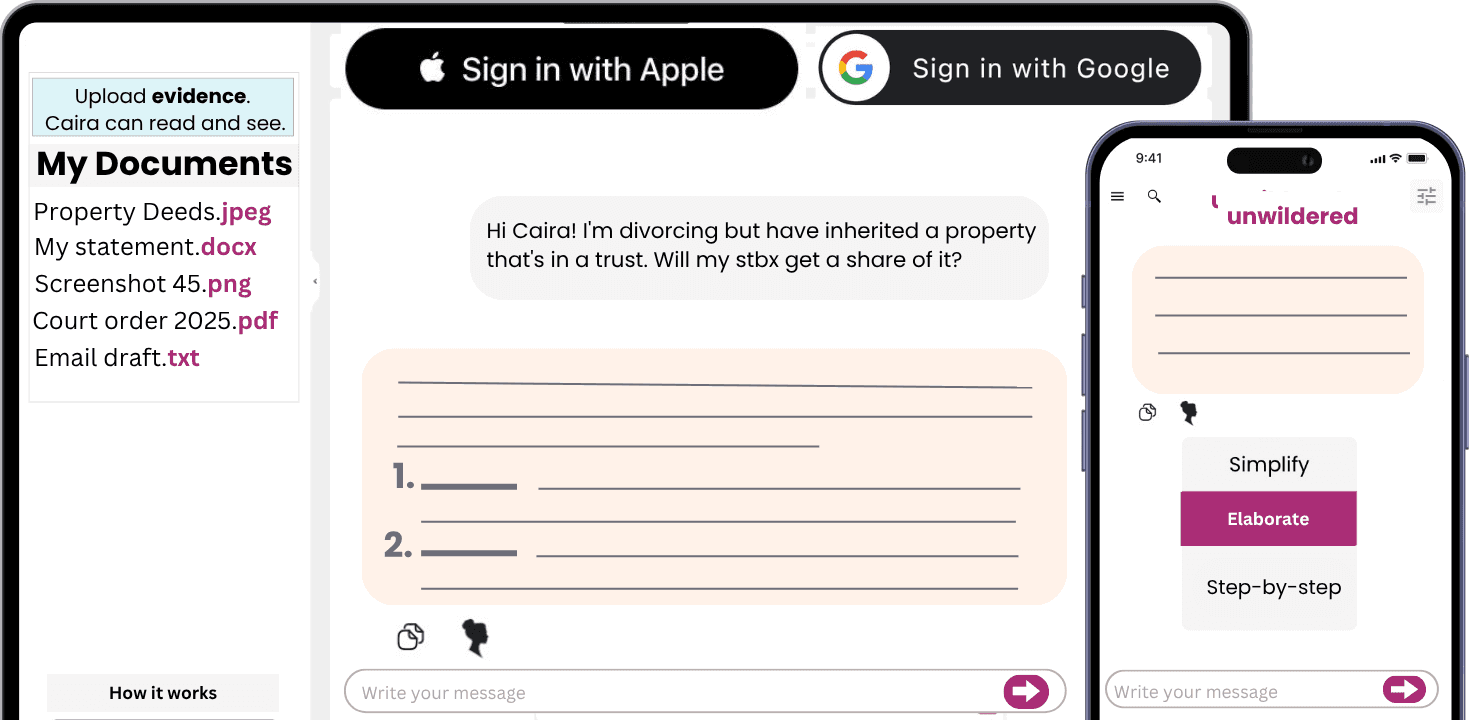
Caira от Unwildered поможет вам превратить разрозненные доказательства в более понятный план. Вы можете загрузить договоры найма, уведомления об аренде, сообщения арендодателя, скриншоты из журнала Universal Credit, фотографии и отчеты о проверках, включая PDF-файлы, письма, скриншоты, фотографии, формы, электронные письма или заметки, а затем попросить Caira кратко изложить хронологию. Она может выявить недостающие доказательства, составить спокойное письмо или подготовить вопросы для солиситора, консультанта, трибунала, суда, дилера, арендодателя или государственного органа. Caira не заменяет лицензированного консультанта в срочных или высокорисковых случаях. Она поможет вам навести порядок, прежде чем вы предпримете действия.